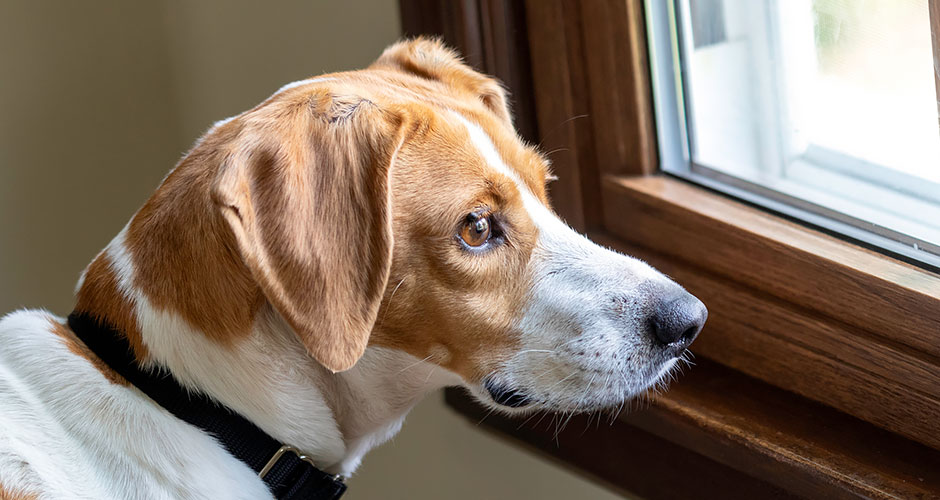
According to a 2022 study from CEVA Animal Health, as many as 57% of dogs suffer from anxiety. Dogs can experience chronic, daily anxiety due to separation anxiety, or they may experience occasional triggers like vet visits, car rides, and thunderstorms.
Anxiety in dogs can manifest in ways that are easily missed by their pet parents. Whining, a tucked tail, and a worried facial expression may be obvious, but unwanted behaviors like barking, destructive chewing, and accidents in the house too, can often be chalked up to anxiety.
In recognition of Dog Anxiety Awareness Week, observed the first full week of May, learn about five science-backed ways to support your dog’s mental and emotional health.
- Aromatherapy
Scent is an intrinsic part of the way your dog experiences the world around them. By utilizing aromatherapy, you can offer your dog scent-based signals that let them know they’re safe. Herbal scents like lavender and chamomile have been shown in studies to help dogs relax, even in potentially stressful situations like vet’s visits and car rides. What’s more, some canine calming aromatherapy products like Sentry Calming Collar For Dogs for Dogs contain a synthetic compound that imitates pheromones a mother dog releases to calm her puppies.
- Music Therapy
Playing calming audio for your dog can not only mask anxiety-inducing noise like thunderstorms, fireworks, and passersby, but also induce feelings of calm. Music in general seems to help dogs calm down, but surprisingly, a University of Glasgow study found dogs waiting to be adopted at the Scottish SPCA responded especially well to soft rock and reggae.
- Deep Pressure Therapy
Similar to how swaddling has a soothing effect on human newborns, and weighted blankets can make it easier to fall asleep, canine deep pressure therapy can have a positive effect on your dog’s anxiety. Thundershirt is recommended by veterinarians because it uses calming, comforting pressure that can help regulate your dog’s nervous system within minutes.
- Chew Toys
Offering your dog safe, appropriate objects to gnaw like long-lasting chews, sturdy chew toys, and dental treats can help manage both chronic and acute anxiety. A 2023 study conducted at Waltham Petcare Science found dogs are likely to seek long-lasting chews when left alone, and dogs that chewed were less likely to show stress-related behaviors. Chewing works your dog’s jaws, releasing pent-up stress, and also releases endorphins that can improve your dog’s mood and emotional well-being.
- Calming Touch
Have you ever heard you should ignore your dog before leaving home, as saying goodbye would cause separation anxiety? Or that you should never pet your anxious dog, as to avoid reinforcing fearful behaviors? These once widely held beliefs have been long debunked, and animal behavior professionals now refer to recent behavioral studies that suggest the opposite. A 2017 study from Università di Pisa, Italy, published in the Journal of Veterinary Behavior found dogs, when left alone, stayed calmer for longer periods of time if their pet parent gave them a reassuring pet goodbye before leaving. What’s more, using massage to activate calming acupressure points can be a highly effective way to manage both chronic and acute anxiety in dogs.
Talk To A Veterinarian About Your Dog’s Anxiety
If your dog is struggling with signs of acute or chronic anxiety, your veterinarian will be happy to help. Your veterinarian can recommend calming supplements, prescription medication, and other treatments that can help you care for your dog’s mental and emotional well-being. See your veterinarian or make a same-day televet appointment with VetLive to help your dog find their zen.






























 Live Chat