Addison’s disease is a chronic condition that affects about 1 in every 250 dogs. Symptoms can seem to come and go and may mimic those of other diseases, making it tricky for vets to diagnose.
Learn about the causes, symptoms, treatment, and prognosis of dogs with Addison’s disease.
What is Addison’s Disease in Dogs?
Addison’s disease, or hypoadrenocorticism, is a chronic condition that affects your dog’s adrenal glands.
While Cushing’s disease, or hyperadrenocorticism, causes an overproduction of adrenal gland hormones, dogs with Addison’s disease, which is less common, suffer from adrenal gland hormone insufficiency.
In healthy dogs, the adrenal glands, located next to each kidney, produce hormones essential for regulating many of the body’s processes.
Adrenal hormones play a crucial role in energy metabolism, blood pressure, electrolyte levels, blood sugar, immunity, and inflammation. If your dog does not produce enough of these hormones, they need lifelong treatment with hormone replacement medication. Untreated Addison’s disease can be fatal.
What Causes Addison’s Disease in Dogs?
In dogs with primary Addison’s disease, the most common form, the adrenal glands are injured or compromised by infection, cancer, or injury, or there may be no known cause. An autoimmune dysfunction, in which the immune system attacks the adrenal glands, may be to blame.
Primary Addison’s disease affects the parts of the adrenal glands that produce the steroid hormones cortisol, which regulates energy metabolism, and aldosterone, which regulates blood pressure.
In dogs with secondary Addison’s disease, the adrenal glands are not directly injured or compromised. Instead, the pituitary gland, located in the brain's center, no longer produces ACTH, a hormone that signals the adrenal glands to produce cortisol. Secondary Addison’s disease is typically caused by a tumor or inflammation of the pituitary gland.
Addison’s disease is more common in female dogs than males and is typically diagnosed in young adult dogs around four years of age, though it can also be diagnosed in puppies and seniors.
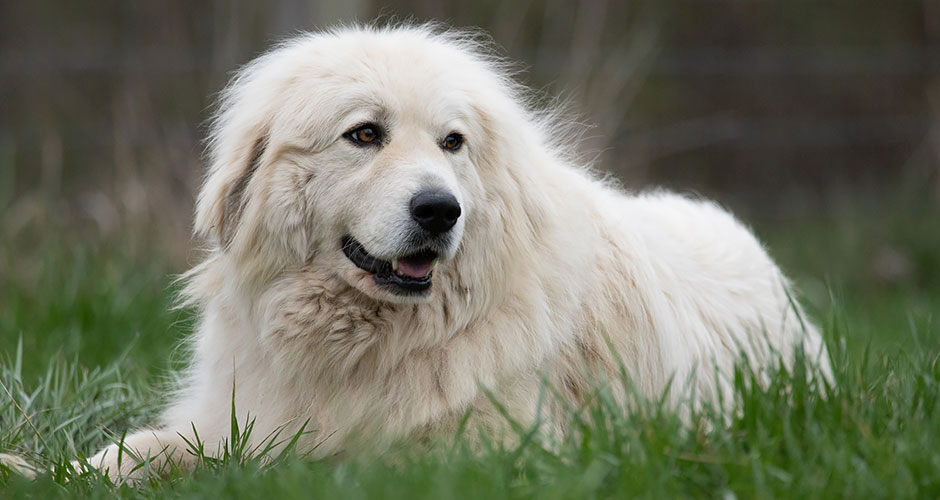
Certain breeds are genetically predisposed to Addison’s disease. According to a 2017 Université de Montréal study, only about 0.38% of dogs are affected overall. Yet, as many as 9.73% of Great Pyrenees will develop the disease. Addison’s disease may affect nearly 5% of West Highland white terriers, while up to 2% of other at-risk breeds, including the Standard Poodle, Saint Bernard, Jack Russell Terrier, and Great Dane, are affected.
What Are The Early Symptoms of Addison’s Disease?
Symptoms of Addison’s disease can be on and off, and tend to develop gradually. According to Dr. John August, a veterinarian at the College of Veterinary Medicine & Biomedical Sciences at Texas A&M University, as quoted in Texas A&M Today, symptoms may not be apparent until 90% of the adrenal gland tissue has died.
Look for early symptoms of Addison’s disease, which can include:
- Weakness and lethargy
- Vomiting and diarrhea
- Loss of appetite
- Increased thirst and urination
- Weak or irregular pulse
- Hair loss
- Shivering or shaking
As the symptoms of Addison’s disease are nonspecific and intermittent, it’s crucial to see your veterinarian as soon as possible when you notice any of the above symptoms. Early diagnosis is key to protecting your dog’s health.
How Is Addison’s Disease Diagnosed in Dogs?
Dogs with Addison’s Disease may be diagnosed after other causes have been ruled out or after an Addisonian crisis.
During an Addisonian crisis, the dog suddenly falls into shock and collapses. This happens because the dog’s blood pressure becomes dangerously low due to high blood potassium and low sodium. An Addisonian crisis is a medical emergency and can be fatal.
A blood test will show electrolyte imbalances that point to Addison’s disease. The diagnosis is then confirmed with an ACTH stimulation test. During an ACTH stimulation test, your dog is administered ACTH, which stimulates cortisol production in healthy dogs. In dogs with Addison’s disease, the ACTH will fail to increase cortisol production.
How Is Addison’s Disease Treated?
Addison’s disease cannot be cured, but it can be managed by replacing adrenal hormones with medication.
Dogs with the more common primary form will need two medications: daily Prednisolone, given orally at home to replace cortisol, and an injection to replace aldosterone. The secondary, less common form of Addison’s disease only requires cortisol replacement medication.
Primary Addison’s disease is treated with an injection at your veterinarian’s office. Zycortal Suspension (desoxycorticosterone pivalate injectable suspension) replaces aldosterone.
The first dose is administered upon diagnosis. Then, you’ll bring your dog to the vet for bloodwork after ten days and again after 25 days after the first dose to determine the most effective dose for your dog. Afterward, your dog will get their ZYCORTAL® injection in-office every month or as your veterinarian recommends.
Dogs with Addison's disease typically do not require any dietary changes unless needed to manage concurrent conditions. With lifelong medication and regular bloodwork, dogs have an excellent prognosis and can go on to have otherwise healthy, active lives.









































 Live Chat