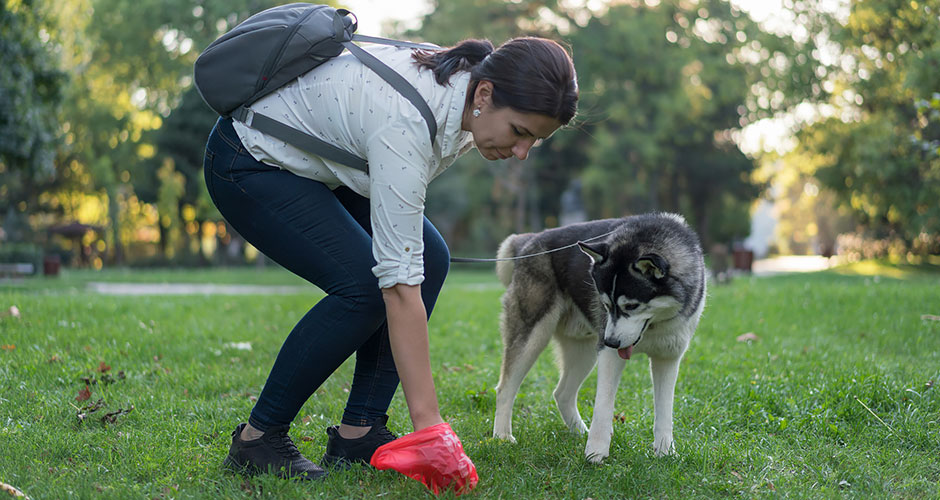
Nobody looks forward to picking up their dog’s “presents,” but when it comes to monitoring their health, your dog’s poop really can be a gift.
Learn what healthy dog poop should look like, what changes in color and consistency may mean, and what you can do to support your dog’s digestive health.
What Should Healthy Dog Poop Look Like?
Normal, healthy dog poop is medium-brown in color and has a solid consistency. Not too soft, and not hard, dry, or crumbly. It should be easy to pick up and leave behind little residue.
The color and consistency of your dog’s stool can vary from day to day, depending on their diet. Chicken-based dog food usually results in slightly yellowish, lighter-colored stools, while beef-based foods tend to result in slightly darker stools. There may be evidence of partially digested foods, especially veggies like carrots.
What Does This Color Mean?
Healthy dog poop turns brown as it moves through the intestines as a result of a chemical reaction between food materials, bile, and digestive enzymes. Colors other than brown can be due to changes in your dog’s diet but can also be indicative of an undiagnosed health issue.
- Bright yellow or orange poop can indicate the presence of undigested fat or bile in the large intestine. This can indicate pancreatitis. This can also happen any time your dog experiences gastric upset and wastes move too quickly through their digestive tract, which is usually associated with diarrhea.
- Green poop can indicate liver disease or can be caused by food dyes or consumption of grass or leafy green vegetables.
- Slightly pale or yellowish poop can be caused by poultry in your dog’s diet.
- Gray poop can indicate a lack of bile, which can point to a liver deficiency.
- White, dry, crumbly poop can indicate high calcium content in your dog’s diet, often seen in raw-fed dogs that consume too much bone. Normal dog poop, when left outside for long periods of time, can turn whitish due to mold or mildew, or calcium content.
- Red or purplish poop can be a result of pigments from food dyes or beets. If blood and gel-like discharge are present, it may indicate hemorrhagic gastroenteritis.
- Black, tarry poop can result from digested blood, which originates from the upper digestive tract. This can indicate internal bleeding from the stomach or small intestine due to ulcers, cancer, trauma, or poisoning.
Blood In Your Dog’s Poop - Is It An Emergency?
Bright red blood in your dog’s poop can be scary, especially if there seems to be significant blood loss. Hemorrhagic gastroenteritis (HGE) is very common in dogs, especially in toy breeds. It may be accompanied by vomiting, which may also contain blood.
HGE can be caused by a number of factors, including stress, indiscriminate eating, parasites, or a more serious gastric issue. Often, acute HGE has no known cause. If it’s your dog’s first time experiencing symptoms of HGE, if they’re young, a senior, or have a chronic condition, seek emergency veterinary care.
Seek emergency veterinary care if your dog has repeated bouts of bloody diarrhea or vomit, has lost a significant amount of blood, or shows signs of pain like crouching and whining, lethargy, pale gums, fever, or if your dog is unable to hold down water. Severe dehydration or blood loss due to HGE can be life-threatening, even in otherwise healthy dogs.
Blood in stool can indicate parvovirus, especially in puppies and unvaccinated dogs. Parvovirus is a serious, often fatal viral infection and should be treated as soon as possible.
How To Help Your Dog Achieve Healthy Poop
If your dog’s poop seems abnormal in color or consistency, see your veterinarian to rule out an undiagnosed condition. You’ll need to bring a fresh stool sample so your vet can test for parasites.
Otherwise healthy dogs may need digestive support to achieve consistently healthy stools. Switching to a sensitive stomach care dog food can help.
Most do not require a prescription, though there are also veterinary diet dog foods like Purina Pro Plan Veterinary Diets EN Gastroenteric Canine Formula Dry Dog Food that can offer clinically proven digestive support.
You can also try supplementing your dog’s diet with canine probiotics to help balance their gut microbiome.
When adding a supplement or changing foods, always make slow, gradual changes to avoid gastric upset in an already sensitive dog.
Have questions or need recommendations to support your dog’s digestive health? Schedule a same-day televet appointment with VetLive to talk to a vet today.






























 Veterinary Diet Item


 Live Chat