


































Cancer in Pets
How Cancer Affects Dogs and Cats
Most pet parents will one day have a dog or cat diagnosed with cancer.
Approximately 1 in 4 pets eventually develop some form of cancer during their lifetime. As common as it is, the news that your pet has cancer is always devastating to hear for those of us who see our dogs and cats as family members.
Cancer describes the abnormal cell growth in the body, and there are hundreds of types. Pets are affected by nearly every type that affects humans, and at similar rates. The more we learn about cancer in pets, though, the more hope there is for the future of our four-legged family members.
Though it may seem like more and more pets are getting cancer, this isn't necessarily bad news.
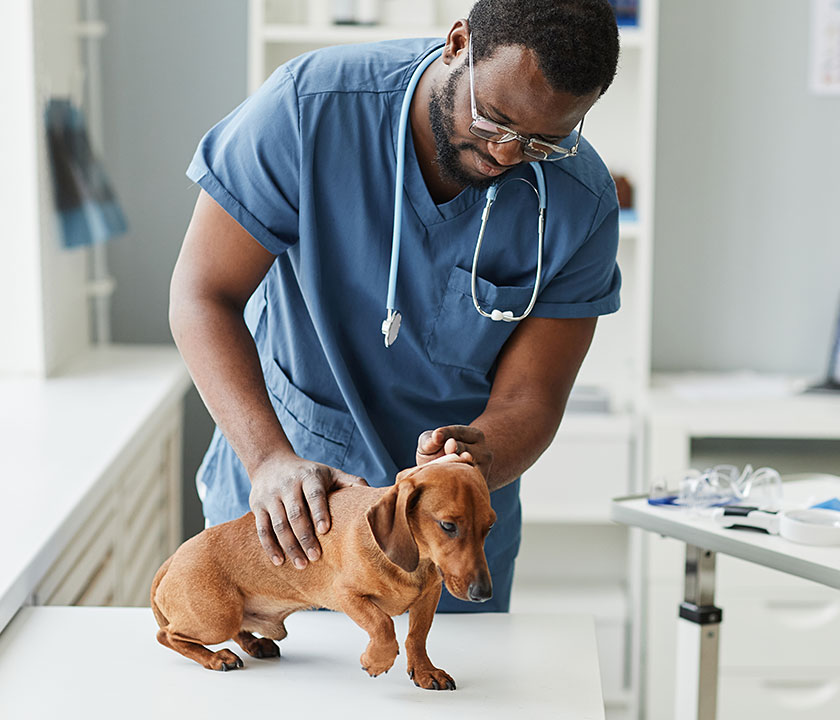
More pets are being diagnosed with cancer because they're living longer with more access to preventative health, and more pet parents are becoming aware of symptoms that could lead to a diagnosis. Our pets are living longer and healthier, and more diagnoses means more chances to get better.
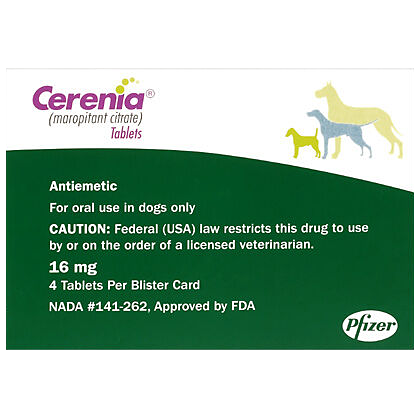
What's more, many of the most common types of cancer in pets can be treated and even cured. Cancer treatments for pets are often well-tolerated, as lower doses of chemotherapy and other cancer-fighting medications can be used to prevent cancer growth while still giving our pets a longer lifespan. Anti-nausea and pain medications are also available to manage the side effects of cancer treatments.
New treatments and promising discoveries in veterinary research are emerging all the time. Many of the latest findings for humans with cancers are beneficial to animals, and those for pets can help people with cancer too. When it comes to cancer in pets, we're all in this together.
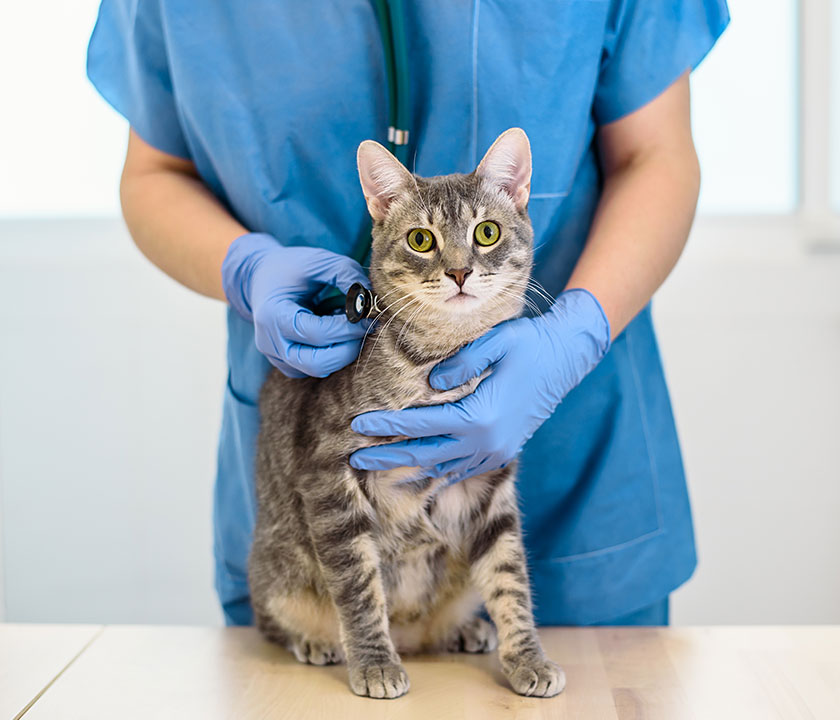
Fighting Cancer in Pets
A healthy lifestyle may help protect pets from developing cancer and can also help pets live longer even after diagnosis. A strong immune system can help fight off cancer cells, meanwhile a pet that suffers from constant, low-level inflammation due to obesity or chronic illness may be more susceptible to getting cancer.
Prevent Cancer in Pets with A Healthy Lifestyle:
- Feed fresh foods rich in cell-protecting antioxidants
- Help your pet maintain a healthy weight
- Make sure your pet gets plenty of exercise
- Schedule an exam as soon as possible when you notice any bumps, changes in behavior, or other potential cancer signs
- See your vet regularly for wellness exams - annually for younger pets, twice annually for senior pets
Keep in mind that even the healthiest lifestyle cannot always protect your pet from eventually developing cancer. Many types of cancer are genetic, or caused by inevitable factors like age and carcinogens in our pet's environment.
Monitoring your pet for any unexplained symptoms and seeing your vet for wellness exams can ensure that your pet is diagnosed as early as possible, giving them the best chance of a good prognosis.

Fight Cancer in Pets
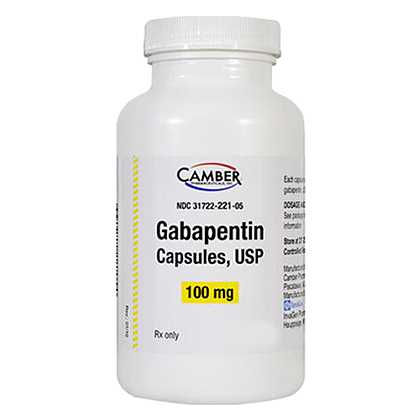
PetMeds® carries healthy pet foods, treats, prescription medications, and more to help your pet stay healthy.
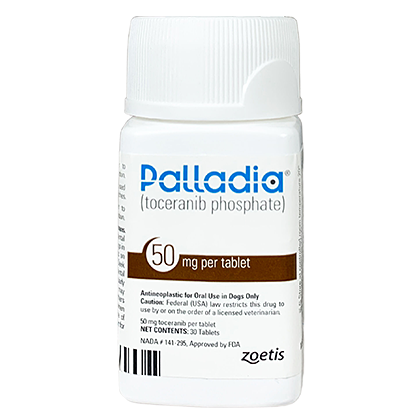
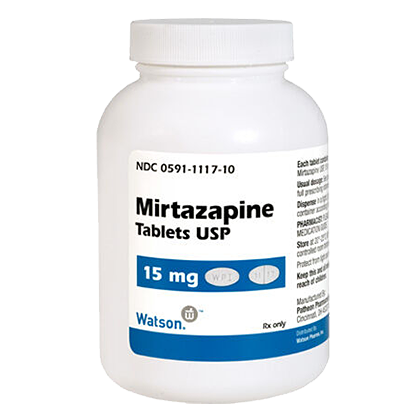
Never Miss A Dose With PetMeds® AutoShip
Save 35% OFF your first AutoShip order | Use code SAVE35 in cartFrequently Asked Questions about Cancer in Pets
Not all cancerous growths are easy to see, as they may affect internal organs. They can cause nonspecific symptoms like unexplained changes in weight, appetite, behavior, or activity level, unusual bleeding or discharge, non-healing wounds, vomiting, diarrhea, or strange odors. These signs are nonspecific and do not necessarily indicate cancer, but should still be investigated by your veterinarian as soon as possible.
Still have questions? Learn more with our free Pet Health Advice resource center or talk to your veterinarian about cancer in pets.




 Live Chat


