



SAVE AN EXTRA $5 - $20 OFFUse code PETS in cart (Exclusions apply)
Save 40% with first AutoShipUse code NEW40 (Up to $40 max. Exclusions apply)

While efforts are made to answer all questions as quickly as possible, if an immediate answer is required or if your pet is in need of urgent or emergency care, contact your pet's veterinarian immediately.
You will receive an answer from Dr. Lindsay and our vet/tech team as soon as possible, usually the same day.
All answers are provided for informational or educational purposes only, and are intended to be a supplement to, and not a substitute for, the expertise and professional judgment of your pet's veterinarian.
It may be necessary to consult your pet's veterinarian regarding the applicability of any opinions or recommendations with respect to your pet's symptoms or medical condition.
Close
An error has occurred, please reload the page and try again.
Close
While efforts are made to answer all questions as quickly as possible, if an immediate answer is required or if your pet is in need of urgent or emergency care, contact your pet's veterinarian immediately.
There is no answer related to your question
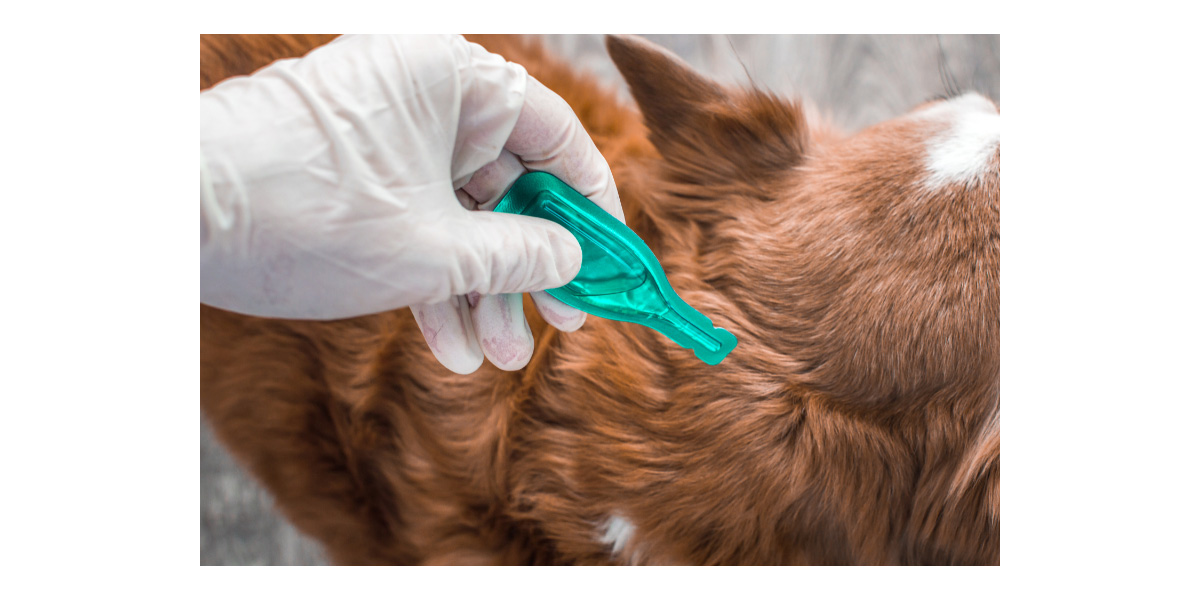
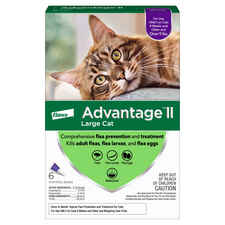
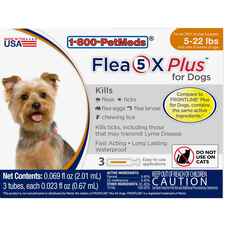
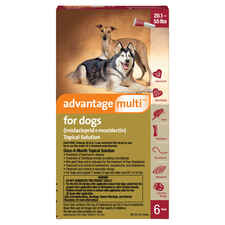
There are times when pet owners may feel their pet's flea medicines are no longer working as effectively as they used to. So, what do you do? Below is a list of several options to help control fleas on your pet and in your home, even if your pet is already on a monthly flea medicine.
Apply topical flea medications correctly
Place the applicator tip on your pet's skin.You can slide the applicator under the hair (rather than parting the hair with your fingers) if you are sure the applicator touches the skin. Apply along the back where your pet cannot reach. how to apply flea and tick medication to your pet.
Make sure your pet's skin is healthy
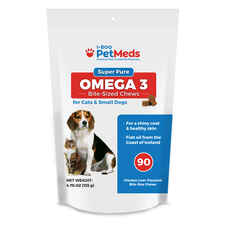
Be sure the skin is soft, flexible, and healthy. If skin is dry, thick, and unhealthy, the medication will not be carried through skin as it should. If necessary, supplement with Omega 3 fatty acids to improve your pet's skin and coat. We recommend Super Pure Omega 3, Brite Coat Chews. Keep the coat groomed and washed to remove matted hair, feces, old dry skin, and debris.
Treat your yard and home
Only 1-5% of flea population lives on your pet, while the other 95-99% lives in your house and yard. Remove fleas, flea eggs, and larvae from the house and yard by using flea medication treatments that kill adult fleas (adulticides) and contain insect growth regulators (IGR's) to prevent eggs and larvae from developing into adults. For the yard:
Limit your pet's exposure to wildlife. The following wildlife carries fleas that infect pets: raccoons, opossums, deer, mice, cattle, coyotes, foxes, bobcats, skunks, ferrets, Florida panthers. Rotate flea control products to prevent resistance to any single product.
Kill flea eggs and larvae before they mature into adult fleas
Fleas go through 4 growth stages: egg, larva, pupa, and adult. Flea treatments kill adult fleas and larvae, but no pet, house, or yard product kills fleas when they are in the pupal stage and wrapped in a cocoon. You have not failed. The insecticide has not failed. Nature made the flea cocoon as safe as a bomb shelter.
Pupal fleas mature and emerge as adults over a wide time span. They can emerge from the cocoon in as little as a couple weeks, or as long as several months-depending upon temperature, humidity, and the flea's ability to sense a suitable host.
Be prepared to treat newly hatching adult fleas by reapplying Virbac Knockout Fogger to the carpet and Advantage Yard & Premise Spray to the yard. Often, the best time for reapplication is 1-2 weeks after the first treatment. Then, reapply in another 1-2 weeks.
If it is cold, flea pupae may not hatch for weeks or months. Over this time, your yard and carpet treatments will have dissipated, and will not be strong enough after several weeks to control the newly hatched fleas. To be successful, retreat the house and yard as soon as you find newly emerging fleas.
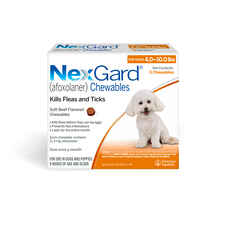
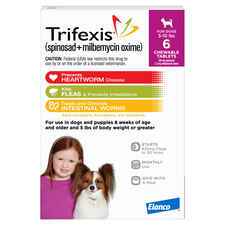
Consider the benefits of oral flea medications
Oral flea medications are quickly becoming a favorite for pet owners because of their ease of use but also because of their effectiveness. Oral flea medications are 99.9% effective when compared to topical flea preventatives. Learn more about the benefits of oral flea medications.
Because flea preventatives are carried in the oils on the skin, the kill rate may be slower in animals with heavy fur and in those with dry skin.
 Swipe
Swipe
 TOP
TOP


Mailing Address:
 Email Us
*If your pet is in need of urgent or emergency care, contact your pet's veterinarian immediately.










 Live Chat