



SAVE AN EXTRA $5 - $20 OFFUse code PETS in cart (Exclusions apply)
Save 40% with first AutoShipUse code NEW40 (Up to $40 max. Exclusions apply)

While efforts are made to answer all questions as quickly as possible, if an immediate answer is required or if your pet is in need of urgent or emergency care, contact your pet's veterinarian immediately.
You will receive an answer from Dr. Lindsay and our vet/tech team as soon as possible, usually the same day.
All answers are provided for informational or educational purposes only, and are intended to be a supplement to, and not a substitute for, the expertise and professional judgment of your pet's veterinarian.
It may be necessary to consult your pet's veterinarian regarding the applicability of any opinions or recommendations with respect to your pet's symptoms or medical condition.
Close
An error has occurred, please reload the page and try again.
Close
While efforts are made to answer all questions as quickly as possible, if an immediate answer is required or if your pet is in need of urgent or emergency care, contact your pet's veterinarian immediately.
There is no answer related to your question
Puppies and kittens are born with intestinal worms. This occurs because worms resting within the mother's body are stimulated to grow by hormones secreted during pregnancy. The newly developed worms within the mother pass through the placenta (transplacental) and into the young before they are born. In addition, worms are passed through the mother's milk (transmammary) to the young. Puppies, kittens, and female dogs that are nursing should be wormed routinely.
Adult dog and cats pick up worms from eggs that stay in the soil after pets have defecated. Some worm eggs survive for years in soil. Pets also pick up worms from:
Types of worms in dogs and cats
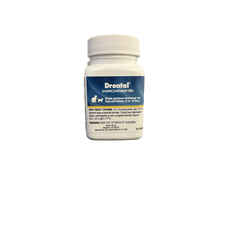
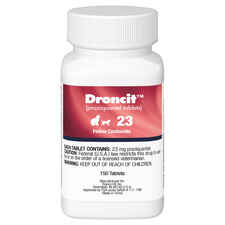
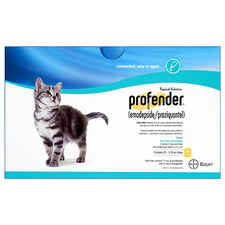
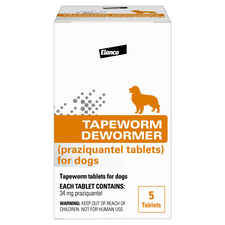
Worms are internal parasites that drain pets of blood and nutrients. Dogs and cats get worms that can be classified by shape into round or flat. Three types of round-shaped worms (nematodes) live in pet intestines: roundworms, hookworms, and whipworms. Two types of flat-shaped tapeworms (cestodes) live in pet intestines and other organs, including the liver: echinococcus and taenia. Dogs commonly get hookworms, whipworms, roundworms, and tapeworms. Cats commonly get roundworms, hookworms, and tapeworms, but not whipworms.
Pets can also get lungworms, esophageal worms, bloodworms, kidney worms, liver flukes, and intestinal protozoa. The most common pet worms are roundworms, and hookworms. Heartworms (Dirofilaria immitis) are not intestinal parasites but are parasites that live in the heart. Heartworms are not spread like regular intestinal worms, but are spread by mosquitoes. They infect both cats and d ogs and can cause death.
Key facts about worms in dogs and cats
Which pets are most at risk for worms?
Almost universally, puppies and kittens have intestinal worms. Puppies and kittens whelped in large kennels or in unhygienic conditions have the greatest worm burdens. Pets using pet parks, doggy day cares with communal potty areas, farmyards, and city streets where feces is on the sidewalk are prone to having worms. Pregnant and lactating females have worms. Pets kept in humane shelters generally have intestinal worms.
To prevent human infections, pets in homes with children, immune-compromised individuals, or elderly persons should be dewormed at least every three months.
 TOP
TOP


Mailing Address:
 Email Us
*If your pet is in need of urgent or emergency care, contact your pet's veterinarian immediately.












 Live Chat