



SAVE AN EXTRA $5 - $20 OFFUse code PETS in cart (Exclusions apply)
Save 40% with first AutoShipUse code NEW40 (Up to $40 max. Exclusions apply)

While efforts are made to answer all questions as quickly as possible, if an immediate answer is required or if your pet is in need of urgent or emergency care, contact your pet's veterinarian immediately.
You will receive an answer from Dr. Lindsay and our vet/tech team as soon as possible, usually the same day.
All answers are provided for informational or educational purposes only, and are intended to be a supplement to, and not a substitute for, the expertise and professional judgment of your pet's veterinarian.
It may be necessary to consult your pet's veterinarian regarding the applicability of any opinions or recommendations with respect to your pet's symptoms or medical condition.
Close
An error has occurred, please reload the page and try again.
Close
While efforts are made to answer all questions as quickly as possible, if an immediate answer is required or if your pet is in need of urgent or emergency care, contact your pet's veterinarian immediately.
There is no answer related to your question
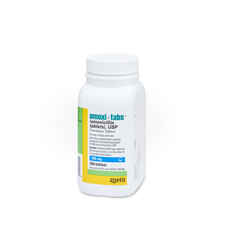
Lyme disease treatment includes Doxycycline, a form of the antibiotic tetracycline. Because tetracyclines discolor the teeth of growing pets, and of pets still developing within the uterus, we use a different antibiotic for nursing, pregnant, and young pets — Amoxicillin. Doxycycline and amoxicillin are relatively inexpensive and do not normally cause serious side effects. The antibiotics begin to work quickly and arthritic symptoms improve within 2 days, but the antibiotic is continued for 1-4 weeks because the spirochete (the organism that causes Lyme disease) hides within the cells and is difficult to kill. Even with several weeks of antibiotics, it is impossible to eradicate the bacteria (Borrelia); but antibiotics decrease the number of spirochetes to a point that they no longer cause disease.
Treatment for later stages of Lyme Disease is more difficult. It often requires longer courses of antibiotic therapy, and sometimes repetitive courses. Treatment failures and relapses can occur.
How can I prevent Lyme disease in my pet?
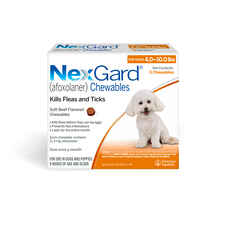
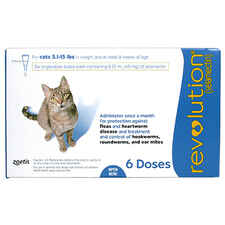
To prevent Lyme disease in dogs and cats, the most important step is to stop the ticks that transmit the disease. The tick that carries the Borrelia spirochete can be prevented or killed by applying a tick collar and flea and tick medications. Ticks that are killed within 48 hours of attaching on a pet cannot transmit Lyme disease. Sometimes these ticks stay on a pet's body although they are dead because head and mouth parts remain lodged in the skin.
The Ixodes tick that spreads Lyme disease has a 2-year life cycle. It sucks enough blood from a mouse, deer, dog, or human to survive through larva and nymph stages of growth. After two years, the tick reaches adulthood, feeds again, and lays 2000 eggs in the grass. To break the tick's life cycle, clean up the yard so that deer mice cannot cohabitate with deer. Mow along fence rows and remove brush. Check your pet daily for ticks.
Will vaccinating my pet prevent Lyme disease?
Proponents for vaccination say the disease should be prevented even though it is relatively mild in most dogs. These vaccine proponents admit that the initial Lyme disease vaccine may not have been ideal, but that a new recombinant vaccine has been developed. It's hoped the recombinant vaccine will prevent both the disease and the development of kidney inflammation (glomerulonephritis). The initial vaccine may have caused glomerulonephritis in some pets even though it prevented Lyme disease.
Those who oppose vaccination for Lyme disease point out that in areas where Lyme disease is endemic, 90% of dogs have antibodies to the disease, indicating they have been exposed to the bacteria. Still only 5-10% of these dogs become ill, and they can be treated with Doxycycline, an inexpensive antibiotic. Vaccine opponents are concerned these vaccines carry some risk, and that the vaccine may cause more harm than the disease itself. They also fear that the vaccine will increase the white blood cells, and these cells will cause kidney inflammation (glomerulonephritis).
Can Lyme disease in pets cause secondary diseases?
Yes. Lyme disease causes arthritis (inflammation of the joint). Pets with Lyme disease limp and have intermittent, wandering arthritis that affects one joint one day, and the same or another joint the next day. The painful arthritic joint may be hot and swollen so that pets walk stiffly and arch their backs. With inflammation comes cartilage damage, and the possibility of long-term joint destruction. If you pet has arthritis and is on pain medication already, we recommend joint supplements such as those listed below.
 TOP
TOP


Mailing Address:
 Email Us
*If your pet is in need of urgent or emergency care, contact your pet's veterinarian immediately.



















 Live Chat