



SAVE AN EXTRA $5 - $20 OFFUse code PETS in cart (Exclusions apply)
Save 40% with first AutoShipUse code NEW40 (Up to $40 max. Exclusions apply)

While efforts are made to answer all questions as quickly as possible, if an immediate answer is required or if your pet is in need of urgent or emergency care, contact your pet's veterinarian immediately.
You will receive an answer from Dr. Lindsay and our vet/tech team as soon as possible, usually the same day.
All answers are provided for informational or educational purposes only, and are intended to be a supplement to, and not a substitute for, the expertise and professional judgment of your pet's veterinarian.
It may be necessary to consult your pet's veterinarian regarding the applicability of any opinions or recommendations with respect to your pet's symptoms or medical condition.
Close
An error has occurred, please reload the page and try again.
Close
While efforts are made to answer all questions as quickly as possible, if an immediate answer is required or if your pet is in need of urgent or emergency care, contact your pet's veterinarian immediately.
There is no answer related to your question
What is heartworm disease?
Heartworm disease is caused by a worm that is carried by mosquitoes. Pets become infected when the mosquito bites and sucks blood. Once pets become infected with heartworms, the worms travel pulmonary vessels and lungs. Mature heartworms can be several inches long. As an adult, the heartworm is able to breed with other heartworms and produce microfilaria. These tiny microfilaria are picked up by blood-sucking mosquitoes and carried to other pets where the process begins again.
Key facts about heartworm disease in dogs and cats
Which pets are most at risk for heartworm disease?
Heartworm disease has been diagnosed in all 50 states and is most concentrated in the eastern United States, the southern United States, and near Midwestern river valleys, including areas along the Mississippi and Ohio Rivers.
Pets that live outdoors are at the most risk for heartworm disease although in a North Carolina study, 28 percent of the cats diagnosed with heartworm were inside-only cats. This is because while outside pets are more susceptible to mosquitoes, mosquitoes can also get inside your home and deliver the one bite necessary to spread the disease.
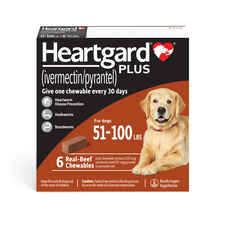
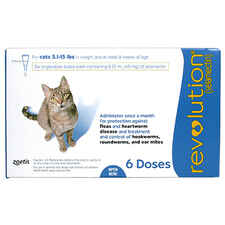
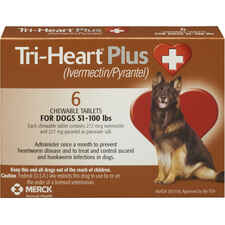
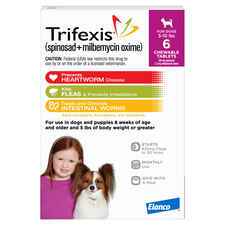
Don't assume pets living indoors-only are not exposed to heartworm-carrying mosquitoes. It's wise to use heartworm preventatives to protect all your pets.
 TOP
TOP


Mailing Address:
 Email Us
*If your pet is in need of urgent or emergency care, contact your pet's veterinarian immediately.










 Live Chat