



SAVE AN EXTRA $5 - $20 OFFUse code PETS in cart (Exclusions apply)
Save 40% with first AutoShipUse code NEW40 (Up to $40 max. Exclusions apply)

While efforts are made to answer all questions as quickly as possible, if an immediate answer is required or if your pet is in need of urgent or emergency care, contact your pet's veterinarian immediately.
You will receive an answer from Dr. Lindsay and our vet/tech team as soon as possible, usually the same day.
All answers are provided for informational or educational purposes only, and are intended to be a supplement to, and not a substitute for, the expertise and professional judgment of your pet's veterinarian.
It may be necessary to consult your pet's veterinarian regarding the applicability of any opinions or recommendations with respect to your pet's symptoms or medical condition.
Close
An error has occurred, please reload the page and try again.
Close
While efforts are made to answer all questions as quickly as possible, if an immediate answer is required or if your pet is in need of urgent or emergency care, contact your pet's veterinarian immediately.
There is no answer related to your question

What are ticks?
Ticks are tiny insects (arthropods like spiders) that range in size from tiny specks to a swollen watermelon seed. Ticks have 8 legs and an outer surface called a carapace or shell, which can be soft or hard. Ticks start out tiny, rather like freckles, but female ticks suck enough blood to swell many times their initial size. Ticks go through several life stages: egg, larva, nymph, adult. Most ticks feed then fall off the host animal and mature in the grass; they reattach after a dormant period. Ticks are dangerous because they spread fatal diseases from one pet to another and from pets and to people.
In North America tick density and range have increased over the last 20 years, and pets have had increasing encounters, and increasing infections from tick-borne disease.
Frequently asked questions about ticks
Fleas jump, but ticks crawl. Ticks don't cause itching. Ticks remain in place while feeding. Ticks don't cause hot spots, but they cause illness.
The tiniest ticks can be difficult to see, especially in dark fur, and along pigmented areas like the eyelids. Use a fingernail to help you find them because they make a small, hard lump.
Fleas jump, but ticks crawl, and occasionally you'll see ticks crawling over the skin to find an ideal attachment site. Once attached, they remain in place until engorged, when they fall off to lay their eggs. While the tick head is buried in your pet's skin, it can swell to 10 times its normal size from the blood it consumes.
To find ticks, look wherever your pet cannot groom themselves. In cats, examine the head and ears. For dogs, also look on the head and ears, but continue searching everywhere over their body.
Ticks don't cause itching so you won't see a tick-infested dog or cat scratching. And ticks don't cause allergic dermatitis, so you won't see hot spots with ticks. What you will see is illness because ticks transmit diseases.
Ticks transmit Rocky Mt. Spotted Fever, St. Louis encephalitis, tick paralysis, tularemia, cytauxzoonosis, Lyme disease, canine ehrlichiosis, hepatozoonosis, anaplasmosis, and babesiosis. Ticks also transmit human diseases including malaria and HIV/AIDS.
Ticks have sharp mouth parts rather like tiny crab claws. Ticks begin feeding by secreting a numbing chemical so the host doesn't feel their hard, stabbing mouth parts pierce the skin. The mouth parts are barbed so the pet can't scratch or rub to dislodge the tick.
A hungry tick is flat, like a freckle, but it has an elastic abdomen so a female can suck up a hundred times its own body weight in blood. Then, the female lays several hundred eggs before she shrivels up and dies. When she dies, she leaves behind the carapace, or outer covering and 8 legs.
Ticks don't digest solids, so they dribble saliva into the wound to dissolve tissues and suck up this soup. The saliva contains enough bacteria and protozoa that ticks are among the most potent disease vectors in the world.
Ticks literally bury their heads into pet's skin to suck fluids from the pet's body. Don't try to squeeze them. Don't heat them with matches, pour alcohol on them, or slather them with petroleum jelly. Instead, for tick removal, slip a pair of tweezers or tick puller as close to the skin as possible, and gently ease the tick out. GRAB BY THE HEAD, where the tick enters the skin, not by the body. Pull gently and do not twist.
Drop the tick into alcohol to kill it. Flushing down the toilet doesn't kill ticks; it's a sewer theme park ride for them. Don't squish the tick to death with your fingers. Contagious tick-borne diseases are transmitted this way. Instead, drop the tick into a container of alcohol.
Clean the wound with a disinfectant, such as antibacterial soap and water. Expect the wound to heal slowly over a couple of weeks because tick saliva leaves irritated tissue behind. The tiny wound may swell slightly as the pet's white blood cells move in to clean up the debris. White blood cells effectively digest any parts of the tick's head that may have been left behind, so don't worry if you think parts of the head remain.
Wash your hands.
Questing is looking for a new host. Many North American ticks have 3 hosts. They suck blood from each host, fall off and mature from larva to nymph and from nymph to adult. A common host cycle is mouse, rabbit, and deer; or mouse, dog, and dog, or mouse, dog, and human. Most ticks can transmit disease to each host
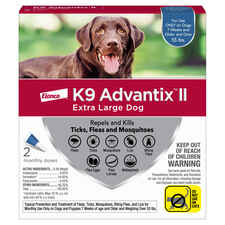
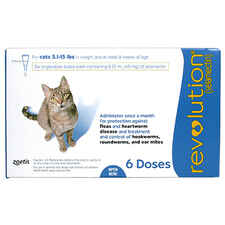
Frontline Plus, K9 Advantix II, and Revolution will kill ticks. The Preventic Tick Collar kills and repels ticks.
It takes about 24-48 hours for a tick to absorb a fatal dose of pesticide. After death, some ticks remain attached because their barbed mouth parts don't detach. This can frustrate pet owners who feel the flea & tick product is not effective. It probably is; it's just slower than we're used to given the rapid rate at which these products kill fleas.
If a tick-control product is not working, check that you're not bathing your pet too frequently, or with harsh shampoos that remove the medication from your pet's skin. In some areas, tick resistance can develop. If this happens, switch products. Some veterinarians recommend using a product more often than monthly, or using a collar and a topical medication. Check with your veterinarian for their recommendation.
Getting rid of ticks in the environment can be done by removing brush and grass so that sunlight can desiccate the ticks. Spot treat with pesticides along fences, kennels and shaded areas. Spray along ceilings or at the wall where the carpet and floor meets the wall because, unlike fleas, ticks climb. Be sure to let the spray dry before allowing your pet back in the room. Take extra precautions with Scotties who are sensitive to pesticides and can develop bladder cancer after exposure. If you'd rather not use pesticides, consider using barnyard chickens. Chickens naturally eat ticks and other insects. Another precaution is to groom your pet every evening. Removing ticks before they have been attached for more than a few hours prevents the transmission of disease.
 Swipe
Swipe
 TOP
TOP


Mailing Address:
 Email Us
*If your pet is in need of urgent or emergency care, contact your pet's veterinarian immediately.











 Live Chat