



SAVE AN EXTRA $5 - $20 OFFUse code PETS in cart (Exclusions apply)
Save 40% with first AutoShipUse code NEW40 (Up to $40 max. Exclusions apply)

While efforts are made to answer all questions as quickly as possible, if an immediate answer is required or if your pet is in need of urgent or emergency care, contact your pet's veterinarian immediately.
You will receive an answer from Dr. Lindsay and our vet/tech team as soon as possible, usually the same day.
All answers are provided for informational or educational purposes only, and are intended to be a supplement to, and not a substitute for, the expertise and professional judgment of your pet's veterinarian.
It may be necessary to consult your pet's veterinarian regarding the applicability of any opinions or recommendations with respect to your pet's symptoms or medical condition.
Close
An error has occurred, please reload the page and try again.
Close
While efforts are made to answer all questions as quickly as possible, if an immediate answer is required or if your pet is in need of urgent or emergency care, contact your pet's veterinarian immediately.
There is no answer related to your question
Why isn't it enough to kill adult fleas? Why should I try flea and tick prevention?
Adult fleas are only 1-5% of the flea population. It's the adult fleas that do bloodsucking damage and spread tapeworms, so it's important to eliminate them; but at least 95% of the flea population exists as eggs, larvae, and pupae that hide in carpets and yards.
Only one of my dogs has fleas. Why should I treat all my pets, including the cats?
Treating all pets (and the environment) ensures the removal of smoldering flea reservoirs. You may have noticed your pet has a flea problem because pets with flea allergies scratch incessantly. Other pets can have fleas but if they are not allergic to them, they won't scratch obsessively. It's easy to assume that pets who aren't scratching don't have fleas, but that's not always so.
To remove the fleas from asymptomatic pets, treat all pets whether they are scratching or not.
Can I put flea products for dogs on my cat?
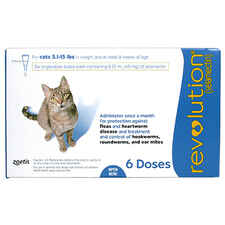
No. Cats are not small dogs. Only use cat flea treatments on cats. Cats are much more sensitive to flea products than dogs are, and some flea treatments can be very harmful to them. Because the surface area of the cat is proportionately different than that of a dog—a cat requires a different level of preventative. Flea treatments are formulated based on size and physiology so cat treatments are the best and safest products to use for cats. The single biggest cause of all non-medicinal poisoning is using the wrong products on cats.
If you treat your dog with a permethrin-containing product, allow the solution to dry before reuniting the dog and cat.
Recommended topical flea treatments
Why is my topical flea treatment not working?
If your pet is on a monthly flea preventative but you are still finding fleas, read our detailed guide on why your pet's flea medication may not be working. To summarize, there are 3 reasons a topical doesn't appear to work: application procedure, the pet's skin, the flea reservoir (environment and untreated pets).
Why are there so many products to kill fleas and ticks?
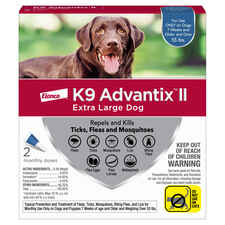
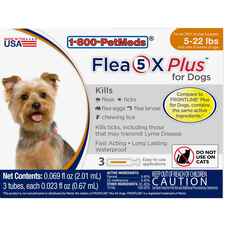
From the number of categories of products, you can tell how serious the flea and tick problem is. For most pet parents, topical or oral treatments used monthly are the most convenient. Excellent products include Flea5X Plus for Dogs, Flea5X Plus for Cats, Frontline Plus, Advantage II.
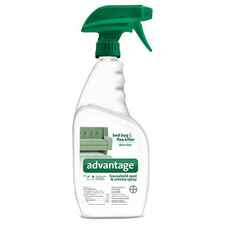
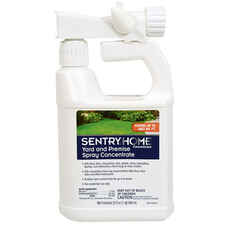
When flea prevention efforts haven't been sufficient, powders, foggers, sprays can be used for home flea control treatments. These products kill adult fleas immediately. You can also kill fleas on your pet by using shampoos, sprays and dips.
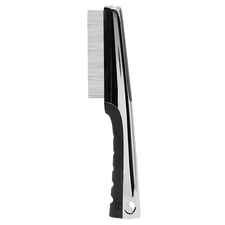
Flea combs and shampoos are excellent products to use on geriatric pets and those that have lost enough blood to fleas to be anemic. Combs and shampoos are also useful for young puppies and kittens with immature nervous systems. Or, prevent puppies and kittens from ever having fleas by treating the mother and the whelping area before they arrive.
Recommended home and yard flea control products
Can I use two flea treatments at the same time?
Generally, it is unwise to combine two flea treatments because pets are healthier with limited chemical exposure. When it is necessary to use more than one product on a pet, it's because there is a problem with environmental control measures inside and outside the home.
 Swipe
Swipe
 TOP
TOP


Mailing Address:
 Email Us
*If your pet is in need of urgent or emergency care, contact your pet's veterinarian immediately.












 Live Chat