1-800-PetMeds,1800PetMeds,Pet Medication
 
Welcome 
 
Sign In | Create Account | Reorder | My Account | Contact Us
  Shop All  
 
Breath Fresheners
Chews and Treats
Rinses
Toothpaste
Ear Cleansers
Ear Infection Remedies
Ear Mite Treatments
Antibiotic Anti-Infective
Eye Inflammation
Glaucoma
Tears Lubricants
Tear Stain Remover
Flea Preventatives
Home Flea Relief
Pet Flea Relief
Heartworm Preventatives
Joint Pain
Joint Supplements
Orthopedic Beds
Steps and Ramps For Mobility
Allergy
Antibiotics Anti-Infective
Antifungal Antiprotozoal
Anxiety
Cough
Diabetes
Digestive
Diuretics
Heart Blood Pressure
Hormonal Endocrine
Nausea
Seizure Disorder
Thyroid
Urinary Tract and Kidneys
Weight Loss
Wormers
Pain Medications
Canned Pet Food
Dry Pet Food
Raw Pet Food
Adult Pet Food
Allergies
Balanced Glucose/Sugar
Gastrointestinal
Grain Free
Joints/Mobility
Kitten Food
Puppy Food
Senior Pet Food
Skin Support
Small Breed Dog Food
Superior Rated Pet Foods
Weight Loss
Anti-bacterials
First Aid
Fly Control
Grooming Tools
Hairball Remedies
Itch Relief
Omega 3
Pet Shampoos
Ringworm
Shedding
Skin Medications
Supplements
Beds
Bowls
Carriers and Kennels
Car Seat
Cat Furniture
Cat Litter
Crates
Designer Dog Carriers
Gates
Holiday Gifts
Leashes
Perfumes
Pet High Chairs
Stain Removers
Steps and Ramps
Strollers
Toys
Training Aids
Treats
Antioxidants
Brewers Yeast
Calcium
Dietary
Digestive Enzymes
Liver Support
Multivitamins
Omega 3
Potassium
Seniors
Whole Foods


Lyme Disease Info
 
Lyme Disease Blog Topics
PetMeds Vet Blog with Dr. Dym Dr. Michael Dym
Holistic & Conventional Veterinarian
"Over 19 years of caring for the well-being of pets"
Visit his Ask the Vet blog.


Share on Facebook Share on Twitter

Symptoms of Dogs and Cats with Lyme Disease


Lyme Disease Symptoms


  • Joint problems
  • Stiff back
  • Lethargy
  • Limping
  • Fever

  • Following a tick bite, symptoms of Lyme disease and/or illness may not develop for several weeks or months.

    Symptoms of Lyme disease in dogs and cats include limping and intermittent, wandering arthritis that affects one joint one day, and the same or another joint the next day. The painful arthritic joint may be hot and swollen so that pets walk stiffly and arch their backs. Some pets are lethargic and anorexic, and have fevers.

    After having Lyme disease for some time, pets may develop kidney problems because the white blood cell antibodies that attach themselves to the Lyme spirochete form clumps (antigen-antibody complex) that plug up the kidney filtering unit, the glomerulus. With glomerulonephritis, the pet loses the ability to prevent molecules like sodium from being lost in the urine. These lost sodium molecules pull water into the urine and the pet urinates large quantities. This makes the pet thirsty and drink to replenish what is lost in the urine. The tendency to urinate large quantities (polyuria) and drink large quantities (polydipsia), or PUPD, is characteristic of chronic kidney failure.

    Heart and nervous system disease is also possible, but rare. Lymph nodes may swell as the white blood cells multiply to produce more immune soldiers to fight the infection.


    Several popular flea medications also kill ticks, which can reduce your pet's risk of Lyme disease
      

    How Is Lyme Disease Diagnosed?


    Lyme Disease in pets is diagnosed by blood tests that show an increase in antibodies to the Borrelia organism. The amount of antibodies must increase four-fold to prove your pet has an active infection.

    Preventing Lyme Disease in Pets


    To prevent Lyme disease in dogs and cats, stop the ticks that transmit the disease. The tick that carries the Borrelia spirochete can be prevented or killed by a tick collar and topical flea and tick medications. Ticks that are killed within 48 hours of attaching on a pet cannot transmit Lyme disease. Sometimes these ticks stay on a pet's body although they are dead because head and mouth parts remain lodged in the skin.

    The Ixodes tick that spreads Lyme disease has a 2-year life cycle. It sucks enough blood from a mouse, deer, dog, or human to survive through larva and nymph stages of growth. After two years, the tick reaches adulthood, feeds again, and lays 2000 eggs in the grass. To break the tick's life cycle, clean up the yard so that deer mice cannot cohabitate with deer. Mow along fence rows and remove brush. Check your pet daily for ticks.

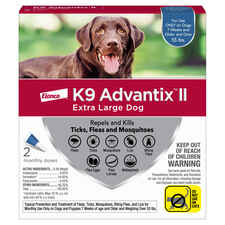
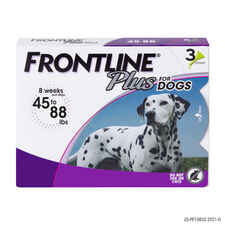
    For the prevention of Lyme Disease we recommend these products (some only for dogs) to prevent or kill ticks: Preventic Tick Collar, K9 Advantix II, Frontline Plus, Frontline Top Spot, Revolution, and Arctick. These products also protect pets from other tick-borne diseases including anaplasmosis, ehrlichia, and Rocky Mountain spotted fever.

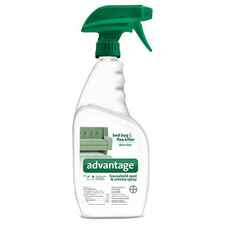
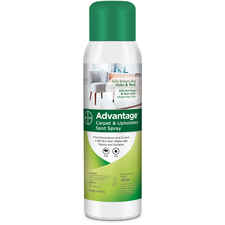
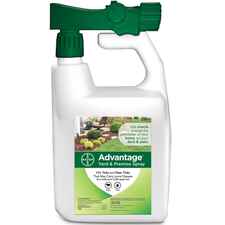
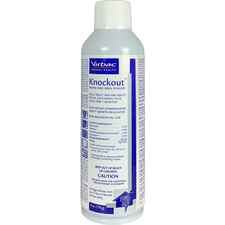
    If ticks are a problem in the home we recommend using a room fogger or spray. For the yard, we recommend Virbac Yard Spray.


    More Information on Lyme Disease in Dogs and Cats


    Help / Customer Service
    My Account
    PetMeds® Sites
    PetMeds® Programs
    Our 100% Guarantee
    About Us
    Contact Us
    FAQs
    PetMeds® Help
    Privacy Policy
    Printable Order Form
    Site Map
    Testimonials
    Vet Directory
    Request a Catalog

    Home
    Login
    Email Preferences
    Reorder
    Easy refill
    Track my order
    My Account Page
    My pet has passed away
    PetMeds® Blog
    PetHealth 101®
    Product Reviews
    Product Questions & Answers
    PetMeds® Charitable Causes
    1-800-PetMeds® Careers
    PetMeds® Investor Relations
    pet meds
    Pet Meds Photos
    Pet Meds News
    Pet Health Articles
    Affiliate Program
    Corporate Program
    Shelter & Rescue Program
     
    Join our Social Network
     
        PetMeds® on Facebook
        PetMeds® on Twitter
        PetMeds® on YouTube
        PetMeds® Google+
        PetMeds® LinkedIn
    Copyright © 2012 PetMed Express, Inc. All Rights Reserved.
       
     
    Vet-VIPPSVETERINARY-VERIFIED INTERNET PHARMACY PRACTICE SITES(CM) Online Veterinary Pharmacy Services
     
    1800PetMeds.com has earned Veterinary-Verified Internet Pharmacy Practice Sites(CM) (Vet-VIPPS(CM)) accreditation through the National Association of Boards of Pharmacy® (NABP®).
    LegitScript approved Verisign Secured