



SAVE AN EXTRA $5 - $20 OFFUse code PETS in cart (Exclusions apply)
Save 40% with first AutoShipUse code NEW40 (Up to $40 max. Exclusions apply)

While efforts are made to answer all questions as quickly as possible, if an immediate answer is required or if your pet is in need of urgent or emergency care, contact your pet's veterinarian immediately.
You will receive an answer from Dr. Lindsay and our vet/tech team as soon as possible, usually the same day.
All answers are provided for informational or educational purposes only, and are intended to be a supplement to, and not a substitute for, the expertise and professional judgment of your pet's veterinarian.
It may be necessary to consult your pet's veterinarian regarding the applicability of any opinions or recommendations with respect to your pet's symptoms or medical condition.
Close
An error has occurred, please reload the page and try again.
Close
While efforts are made to answer all questions as quickly as possible, if an immediate answer is required or if your pet is in need of urgent or emergency care, contact your pet's veterinarian immediately.
There is no answer related to your question
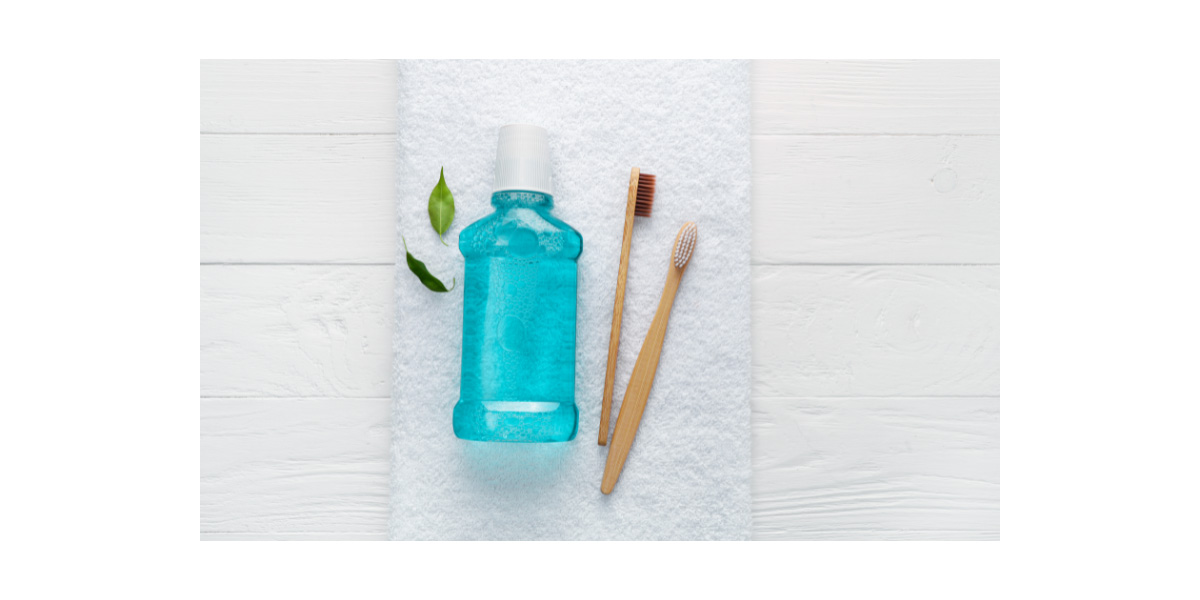
Dental care for dogs and cats
Dental care is as important for your pet as it is for you! Maybe even more so, because well over 80 percent of pets over the age of 5 have some significant level of periodontal disease, which can lead to serious consequences - including heart disease. But the good news is, with regular home dental care, most problems can be avoided.
Frequently asked questions about pet dental products
Without brushing, mouth rinses are not very effective. With brushing, rinses such as C.E.T. Chlorhexadine Rinse are helpful.
Yes.
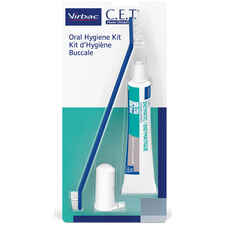
A small toothbrush that fits your pet's mouth does the best job and is the most comfortable for your pet. Either choose a small human brush or use a small pet brush. Always use soft bristles. Try C.E.T. Oral Hygiene Kit For Dogs and Cats.
Rawhides, knotted ropes, and hard rubber toys can be of limited benefit by mechanically removing plaque. Watch so that your dog doesn't tear off chunks that can block the intestines. Cow hooves, cooked bones and ice cubes can be harder than teeth, and your pet can break their teeth chewing them. For dental treats and chews for dogs, we recommend the following products: Greenies and C.E.T. VeggieDent Chews for Dogst. Feline Greenies Dental Chews are also available for cats.
A chew toy stimulates the flow of saliva, mechanically knocks material from the teeth. Flat rawhide does a better job of cleaning teeth than thick rawhide bones.
Chlorhexidine controls bacteria, fungi, and viruses. It inhibits plaque and works for up to 12 hours. Paradoxically, while inhibiting the rate of plaque formation, chlorhexidine increases the rate of calculus formation. Typically chlorhexidine is used as a rinse rather than in toothpaste because some of the ingredients routinely in toothpastes inactivate it. Some pets don't like the taste of chlorhexidine.
Anyone with a dog that wolfs down food needs to be cautious with any dental treat. An undissolved lump of Greenies or anything else causes necrosis (cell death) as it compresses the tissues surrounding it. Usually necrosis occurs in the esophagus or small intestine. Without veterinary attention, this necrosis can be fatal. To prevent this, keep an eye on your pet to ensure he or she doesn't swallow whole chunks.
We can begin by training our dogs when they're young to eat slowly. Giving puppies large knuckle bones teaches them to gnaw and not wolf down large chunks.
Zinc benefits your pet's mouth by:
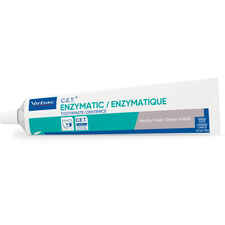
Enzymes, such as glucose oxidase and lactoperoxidase, kill bacteria that help form plaque. C.E.T. Toothpaste contains enzymes.
Hexametaphosphate interferes with plaque mineralization by binding the calcium in saliva so plaque cannot harden into calculus. HMP softens already formed plaque. HMP is used as a coating on treats.
Although teeth wipes are not as beneficial as brushing, they are certainly better than nothing at all. The main reason teeth wipes aren't as effective is because they don't get under the gum line where most bacteria hides.
 Swipe
Swipe
 TOP
TOP


Mailing Address:
 Email Us
*If your pet is in need of urgent or emergency care, contact your pet's veterinarian immediately.









 Live Chat