



SAVE AN EXTRA $5 - $20 OFFUse code PETS in cart (Exclusions apply)
Save 40% with first AutoShipUse code NEW40 (Up to $40 max. Exclusions apply)

While efforts are made to answer all questions as quickly as possible, if an immediate answer is required or if your pet is in need of urgent or emergency care, contact your pet's veterinarian immediately.
You will receive an answer from Dr. Lindsay and our vet/tech team as soon as possible, usually the same day.
All answers are provided for informational or educational purposes only, and are intended to be a supplement to, and not a substitute for, the expertise and professional judgment of your pet's veterinarian.
It may be necessary to consult your pet's veterinarian regarding the applicability of any opinions or recommendations with respect to your pet's symptoms or medical condition.
Close
An error has occurred, please reload the page and try again.
Close
While efforts are made to answer all questions as quickly as possible, if an immediate answer is required or if your pet is in need of urgent or emergency care, contact your pet's veterinarian immediately.
There is no answer related to your question
Steroids are medications that relieve pain and inflammation. Pharmaceutical corticosteroids mimic natural steroids, but are in a much higher concentration. They are generally used for emergency rather than chronic treatment of painful conditions. Because steroid drugs have serious side effects, they require a prescription, and your veterinarian may request periodic blood tests to confirm your pet's liver remains healthy. Some veterinarians recommend supplementing with SAMe (Denosyl) to protect the liver.
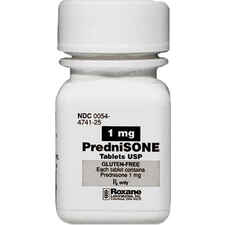
Pain medication for pets can be applied topically to your pet's eye and skin for pain relief (as a steroid cream), taken orally, or as a steroid injection into the joints and muscles. Oral or injectible forms of prednisone, prednisolone, dexamethasone, and triamcinolone are used to treat pets with bone and joint pain. These medications require a prescription.
Steroids affect every organ, and possibly every cell in your pet's body. They are used to control inflammation, allergic reactions, and pain. They can be used for emergency treatment when your pet's system is overreacting and causing life-threatening swelling, and for routine use to control pain, allergic symptoms, itching, and swelling. Steroids are routinely used to supplement pets whose adrenal glands aren't producing steroids; and they can be used to treat some forms of cancer.
Steroids are powerful healing drugs. Like any powerful drug they can also cause harm. Some steroid side effects that may occur in your pet include stomach ulcers, delayed wound healing, thyroid hormone suppression, immune suppression so that the body doesn't fight infection well, high blood sugar, and swollen liver. Many pets will drink more and urinate more (polydipsia and polyuria or PUPD). Some pets will have an increased appetite, and some will have fluid retention (edema).
With long-term use, your pet's bones may weaken (osteoporosis), skin may thin and hair may fall out (alopecia). If given to pregnant pets, fetuses can be malformed, or they may be miscarried. Steroids can affect your pet's sense of well-being. Some pets feel happy, and others become irritable.
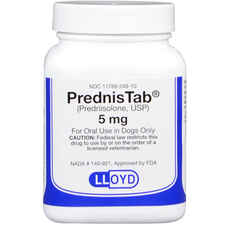
Prednisolone does not have to be converted by the liver to an active molecule, but Prednisone does. For pets with liver failure, Prednisolone is preferred.
Prednisolone should not be stopped suddenly. There should be a gradual reduction in dosage before stopping.
 Swipe
Swipe
 TOP
TOP


Mailing Address:
 Email Us
*If your pet is in need of urgent or emergency care, contact your pet's veterinarian immediately.











 Live Chat