



SAVE AN EXTRA $5 - $20 OFFUse code PETS in cart (Exclusions apply)
Save 40% with first AutoShipUse code NEW40 (Up to $40 max. Exclusions apply)

While efforts are made to answer all questions as quickly as possible, if an immediate answer is required or if your pet is in need of urgent or emergency care, contact your pet's veterinarian immediately.
You will receive an answer from Dr. Lindsay and our vet/tech team as soon as possible, usually the same day.
All answers are provided for informational or educational purposes only, and are intended to be a supplement to, and not a substitute for, the expertise and professional judgment of your pet's veterinarian.
It may be necessary to consult your pet's veterinarian regarding the applicability of any opinions or recommendations with respect to your pet's symptoms or medical condition.
Close
An error has occurred, please reload the page and try again.
Close
While efforts are made to answer all questions as quickly as possible, if an immediate answer is required or if your pet is in need of urgent or emergency care, contact your pet's veterinarian immediately.
There is no answer related to your question
Treatment for mange (demodex) infection in dogs and cats varies depending upon whether it is a localized or generalized mange infection.
Localized mange treatment
About 90% of young, healthy pets with localized mange infection get better within two months even if they are not treated. These pets may benefit from a topical antibacterial agent such as Be Super Clean. The shampoo doesn't rid pets of demodex mites but it does help prevent bacterial skin infections that are caused by scratching.
Generalized mange treatment
In pets with generalized mange infection, those that are less than a year old have a 30-50% likelihood of clearing the infection even though it is widespread. These pets clear the infection because their immune systems kick into gear and they do not necessarily need medical treatment. For pets that do not spontaneously clear an infection, a prescription medication such as sulfurated lime or amitraz (Mitaban Dip for dogs) is used.
Sulfurated lime
A combination of sulfur and lime (sulfurated lime) is used to kill bacteria, parasites and fungal infections on pets including mange demodex mites, sarcoptes scabiei mites, and ringworm. Sulfurated lime also relieves itching caused by parasites and ringworm.
Solutions of sulfur and lime are used as a rinse or dip every 5-7 days to treat mange (demodex) infections. Treatment is repeated for several weeks until skin scrapings have been clear of mites for at least a month. Sulfurated lime is safe to use on dogs, cats, puppies, and kittens at a dilution of four ounces in one gallon of water. If this concentration does not clear the mite infection, the concentration of sulfurated lime can be doubled to eight ounces per gallon of water.
Unfortunately, sulfur causes an offensive odor and the dip should be applied in a well ventilated room. The smell becomes less noticeable after the dip dries. Dip is left on the skin and is not towel dried, and your pet is not washed or allowed to get wet between treatments. Sulfurated lime dips stain jewelry, porous surfaces such as cement, and the white or light-colored coats of pets. The stained coat returns to a normal color over time. Bathing your pet with a benzoyl peroxide shampoo before dipping opens skin follicles and increases mite exposure to the dip.
Amitraz dips
Amitraz is a chemical (triazapentadiene) that kills insects and spiders on plants and pets. One of the formulations of amitraz is Mitaban Dip (for dogs). In veterinary medicine, amitraz is used to kill ticks, mites, and lice. Amitraz is approved by the FDA to be used weekly in dogs at least four months of age. Amitraz use in cats is "off-label" use. For pets with infections that do not clear with weekly dips, veterinarians may prescribe more frequent dips or may prescribe dips at higher concentrations than normally used. Either of these treatments is considered "off label" use of amitraz. Even with these modifications, up to 20% of adult pets with generalized demodex infection don't improve.
Amitraz dips are done with a veterinarian's guidance because amitraz is mildly toxic. The following recommendations help make the dip effective and safe for you and your pet:
Amitraz for pododermatitis (mange of your pet's paws)
For dogs with demodex paw infections, some veterinarians recommend soaking your dog's paws in amitraz mixed with mineral oil. This is "off label" use, but can be highly effective.
Side effects of amitraz
Amitraz is a powerful medication and it can cause side effects in dogs. Most dogs become lethargic after being dipped. Amitraz is most likely to be toxic to toy breeds, senior pets, weak pets, cats, and rabbits. Toxic effects include high blood sugar, vomiting, diarrhea, unsteadiness (ataxia), and slow heart rate.
Amitraz should not be handled by people with diabetes or by people taking MAO Inhibitors such as Parnate and selegiline. Amitraz should not be used on dogs taking Anipryl or Selegiline for Cushing's Disease and Canine Cognitive Dysfunction Syndrome (senility). Sulfurated lime is a safer medication for these pets.
If sulfurated lime or Amitraz don't clear the infection
If the mange (demodex) infection is not cleared by sulfurated lime or Mitaban Dip, or to increase the speed with which an infection is cleared, efforts are made to:
Using ivermectin or milbemycin to help clear mange
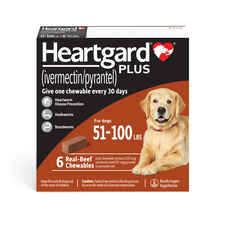
The approved treatments for mange (demodex) are sulfurated lime or amitraz, but when they are not effective, veterinarians may recommend using high doses of the prescription medications, such as Heartgard Plus Chewables (ivermectin).
Heartgard, which is used at 6 micrograms/kg/month to prevent heartworm infections, is given at 100 times the heartworm dose (600 micrograms/kg/day) for 2-3 months to clear demodex infections. Treatment is continued until dogs have skin scrapings with no live or dead mites for at least a month.
Interceptor (0.5-0.9mg/kg/month) is a commonly used medication to prevent heartworm infections. To treat demodex mites, veterinarians prescribe higher doses (0.5 to 2.0 mg/kg) used daily for several weeks. Interceptor is continued until skin scrapings are negative for live or dead mites for at least a month.
Because the high doses of Heartgard or Interceptor necessary to rid pets of demodex are potentially dangerous, two important precautions are taken. First, before treatment, dogs undergo testing to confirm that they do not have heartworms; and, second, they are tested to confirm they do not have the multiple drug resistant (MDR1) gene if they are purebred or mixed breed herding dogs:
Caution for dogs with the MDR1 gene
Dogs with MDR1 gene are especially sensitive to certain medications containing ivermectin, such as Heartgard and Iverhart. Many veterinarians like to prescribe milbemycin given at a daily schedule for treatment of mange in dogs with the MDR1 gene. If you have a dog in the collie or herding breed, please contact your veterinarian for an alternative to medications that contain ivermectin.
Dogs that have both heartworms and demodex infections can still be safely treated. These dogs are first treated for heartworm infections with low doses of heartworm medication and then treated with high doses of ivermectin (Heartgard) or milbemycin to control demodex.
Amitraz collars
The Preventic Amitraz Tick Collar for Dogs contains amitraz and some veterinarians recommend using it "off-label" to help control mange demodex mite infections. The collar is most effective if worn between treatments of sulfurated lime or Mitaban Dip.
Cats with mange infections
Cats are sensitive to amitraz, so your veterinarian may recommend mixing amitraz with mineral oil or propylene glycol (1:3 parts) and treating only the affected areas.
Medications to avoid in pets with mange
Without specific veterinary instruction, do not give your pet any oral steroids such as Prednisone and Prednisolone to treat mange. Nor should you apply topical medications containing steroids on pets with mange infections.
Supplements for pets with mange
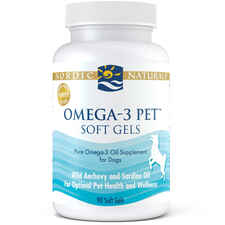
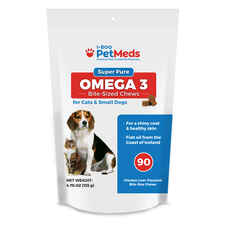
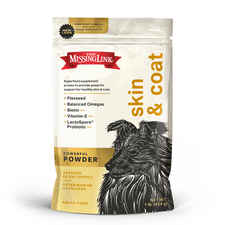
Pets with mange benefit from being given supplements containing fatty acids and antioxidants that boost the immune system.
 TOP
TOP


Mailing Address:
 Email Us
*If your pet is in need of urgent or emergency care, contact your pet's veterinarian immediately.










 Live Chat