



SAVE AN EXTRA $5 - $20 OFFUse code PETS in cart (Exclusions apply)
Save 40% with first AutoShipUse code NEW40 (Up to $40 max. Exclusions apply)

While efforts are made to answer all questions as quickly as possible, if an immediate answer is required or if your pet is in need of urgent or emergency care, contact your pet's veterinarian immediately.
You will receive an answer from Dr. Lindsay and our vet/tech team as soon as possible, usually the same day.
All answers are provided for informational or educational purposes only, and are intended to be a supplement to, and not a substitute for, the expertise and professional judgment of your pet's veterinarian.
It may be necessary to consult your pet's veterinarian regarding the applicability of any opinions or recommendations with respect to your pet's symptoms or medical condition.
Close
An error has occurred, please reload the page and try again.
Close
While efforts are made to answer all questions as quickly as possible, if an immediate answer is required or if your pet is in need of urgent or emergency care, contact your pet's veterinarian immediately.
There is no answer related to your question
Most pets with bone and joint pain benefit from losing weight. In fact, one of every four pets is overweight. Unfortunately, many pet owners—even those with portly or obese dogs and cats—think their pet's weight is normal. If you rub your hand under your pet's hair and along his or her sides and can't feel the ribs, your pet likely has a weight problem. This extra weight hurts your pet's joints. Visit your veterinarian to rule out medical causes for being overweight, such as hypothyroidism or Cushing's Disease. If your veterinarian finds none of these conditions, and your pet just needs to lose a few pounds, we have suggestions that can help.
Exercise your overweight pet
While making food changes, gradually increase your pet's exercise. Play with your pet more, exercise him or her with a laser penlight that can be flashed across the floor so your pet races after it, or if you have a dog, take him or her swimming. If your dog has trouble exercising because of sore joints, use a pain medication like Rimadyl or Novox. For cats, use Onsior for Cats. Ask your veterinarian which medication would be appropriate for your dog or cat. The more your pet feels like exercising, the more fun you'll have together.
Does your pet beg?
If you love your pet so much you give him or her everything he or she wants, including keeping the bowl full of food and offering frequent treats, you can change. And you want to, because overfeeding puts too much stress on your pet's joints—making it more difficult for your him or her to exercise.
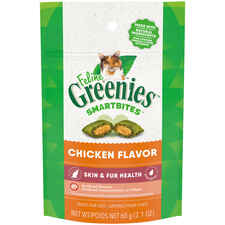
Instead, provide your pet with rewards that are not food—praise, new toys, or leash walks. Make an effort to interact with your pet outside the kitchen. For those times you choose to reward your begging pet, we recommend Greenies Lite Dental Chews (for dogs) or Feline Greenies Smart Bites.
If your pet has put on weight and doesn't want to exercise because of joint pain, try products like Glyco-Flex II, Super Joint Enhancer (for dogs), or Super Joint Enhancer Bite-Sized Chews (for dogs & cats).
 Swipe
Swipe
 TOP
TOP


Mailing Address:
 Email Us
*If your pet is in need of urgent or emergency care, contact your pet's veterinarian immediately.










 Live Chat