



SAVE AN EXTRA $5 - $20 OFFUse code PETS in cart (Exclusions apply)
Save 40% with first AutoShipUse code NEW40 (Up to $40 max. Exclusions apply)

While efforts are made to answer all questions as quickly as possible, if an immediate answer is required or if your pet is in need of urgent or emergency care, contact your pet's veterinarian immediately.
You will receive an answer from Dr. Lindsay and our vet/tech team as soon as possible, usually the same day.
All answers are provided for informational or educational purposes only, and are intended to be a supplement to, and not a substitute for, the expertise and professional judgment of your pet's veterinarian.
It may be necessary to consult your pet's veterinarian regarding the applicability of any opinions or recommendations with respect to your pet's symptoms or medical condition.
Close
An error has occurred, please reload the page and try again.
Close
While efforts are made to answer all questions as quickly as possible, if an immediate answer is required or if your pet is in need of urgent or emergency care, contact your pet's veterinarian immediately.
There is no answer related to your question
More than 150 parasites infect horses through soil, water, and flies. Among the most troublesome are large and small strongyles, bots, roundworms, threadworms, tapeworms, pinworms, and lungworms.
For most horses, parasites are not a token problem, but a serious problem that can cause anemia, colic, coughing, wheezing, poor hair coat, and poor performance. In addition, horses with parasites cost more to feed than horses without parasites.
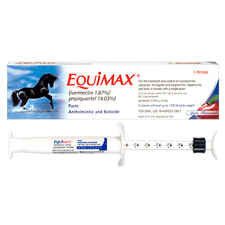
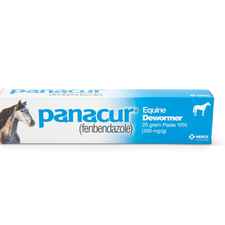
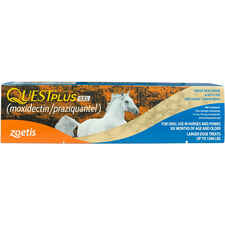
Horse wormers (equine wormers) are provided in plastic syringes for easy dosing. Wormers are also available as granules that are added to your horse's food daily. Unfortunately, there has been an increase in resistance to daily granule wormers, and it appears that horses on daily wormers do not have the same stimulus to develop parasite resistance as do horses that are wormed every 2-3 months.
Each horse needs a deworming schedule based on his or her individual needs and on the time of year parasites are a problem. Schedules are developed that prevent worm damage caused as immature worms migrate through your horse's body, as well as damage caused by adult worms. In general,foals and weanlings are dewormed every month or two until they are one year of age and adults are dewormed every 2-3 months, which is four to six times a year.
No deworming product kills 100% of all parasites, but it is not necessary to totally remove all parasites to improve a horse's health and reduce pasture contamination.
Horse deworming is especially important where the temperature is warm and moist because parasite eggs survive for months in warm, moist conditions. In cold climates, deworming is also important because many parasites are not killed by the cold. Deworming is less important where it is hot and dry.
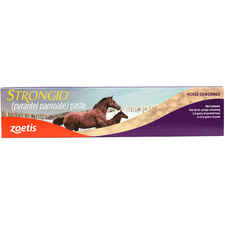
Strongid Paste may be used in mares at any stage of pregnancy or lactation. Stallion fertility is not affected by the use of this product; however, it should not be given to severely debilitated horses.
 TOP
TOP


Mailing Address:
 Email Us
*If your pet is in need of urgent or emergency care, contact your pet's veterinarian immediately.









 Live Chat