



SAVE AN EXTRA $5 - $20 OFFUse code PETS in cart (Exclusions apply)
Save 40% with first AutoShipUse code NEW40 (Up to $40 max. Exclusions apply)

While efforts are made to answer all questions as quickly as possible, if an immediate answer is required or if your pet is in need of urgent or emergency care, contact your pet's veterinarian immediately.
You will receive an answer from Dr. Lindsay and our vet/tech team as soon as possible, usually the same day.
All answers are provided for informational or educational purposes only, and are intended to be a supplement to, and not a substitute for, the expertise and professional judgment of your pet's veterinarian.
It may be necessary to consult your pet's veterinarian regarding the applicability of any opinions or recommendations with respect to your pet's symptoms or medical condition.
Close
An error has occurred, please reload the page and try again.
Close
While efforts are made to answer all questions as quickly as possible, if an immediate answer is required or if your pet is in need of urgent or emergency care, contact your pet's veterinarian immediately.
There is no answer related to your question
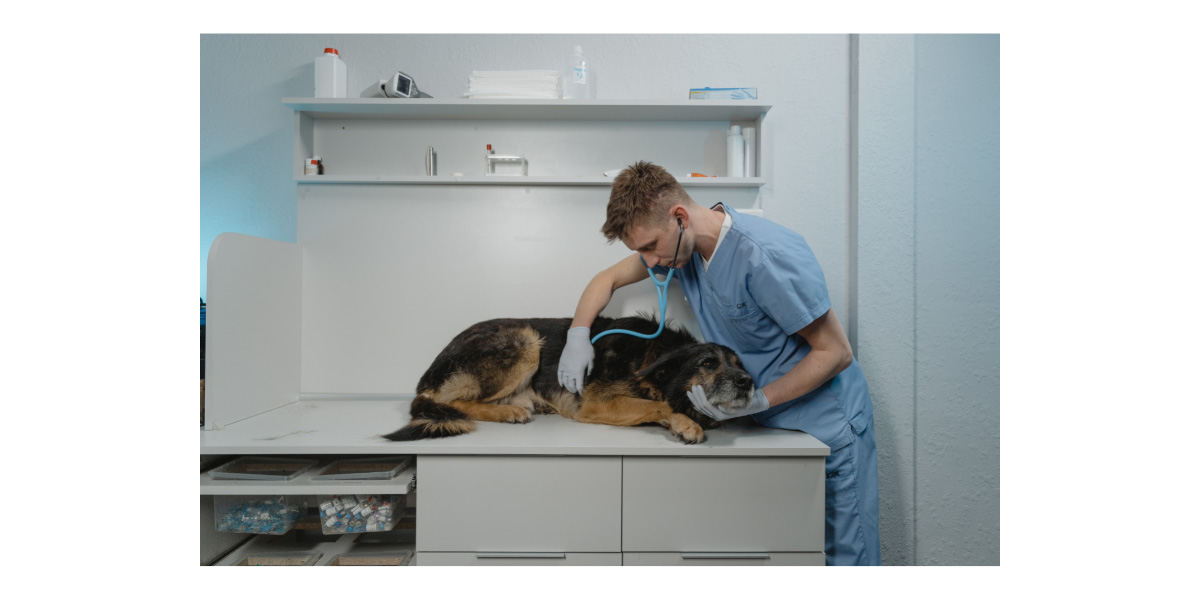
Hemangiosarcoma in dogs and cats is a malignant, soft tissue cancer of the blood vessel lining. Areas of involvement most commonly include the spleen and/or heart. Other areas of the body that may be affected include the lungs, skin, intestine, liver, kidneys, bladder, mouth, and bones.
Pets spayed or neutered before one year of age may be at risk for developing this type of cancer. Exposure to the sun may be a risk factor for some cats in developing hemangiosarcoma of the skin.
Hemangiosarcoma most commonly affects older dogs, although it has been reported with increasing frequency in older cats with no breed disposition. Dog breeds most at risk include Dobermans, German Shepherds, Labrador Retrievers, and Golden Retrievers.
Symptoms of dogs with hemangiosarcoma
Dog hemangiosarcoma symptoms may include non-specific signs of illness such as lethargy, weight loss, loss of appetite, abdominal swelling, difficulty breathing, exercise intolerance, and chronic weakness. Because of the tendency of these tumors to bleed, some dogs may present with acute collapse and even sudden death. Dogs with hemangiosarcoma of the skin may have bruising associated with a skin tumor.
Diagnosis of hemangiosarcoma in dogs
A full medical examination is recommended including CBC/chemistry blood work and urine analysis. X-rays and/or ultrasound of the chest and abdomen are quite helpful in defining the extent of the disease and whether the cancer has spread to other organs. As with other types of cancer, definitive diagnosis is possible only through surgical biopsy. Dogs with spleen or heart involvement often have secondary heart arrhythmias, which often need to be identified and treated by cardiac tests, so that stabilization is possible. Due to blood loss associated with this type of cancer, many dogs are severely anemic and may need blood transfusions as well.
Treatment of hemangiosarcoma in dogs
With involvement of the spleen, the most important part of the treatment is surgical removal of the cancer and/or spleen. Because many hemangiosarcomas have spread at the time of diagnosis and treatment, it is often best for pet owners to discuss with their veterinarian whether humane euthanasia is a possible option prior to having exploratory surgery to remove the spleen. If possible, chemotherapy may be offered with drugs such as Doxorubricin or Vincristine, which may in some cases prolong life over surgery alone.
Prognosis for dogs with hemangiosarcoma
Due to the highly malignant nature and advanced state of disease (often to other organs), the prognosis for dogs with hemangiosarcoma is quite guarded. Prognosis will depend on the stage of cancer at time of diagnosis. With surgery alone, dogs will often live only two to three months. With chemo and/or immunotherapy, dogs with only Stage 1 or Stage 2 of the disease may live several months up to one year after treatment.
There have also been recent advances in immunotherapy, which may be available at specialty veterinary hospitals, and also might help prolong survival time.
Symptoms of cats with hemangiosarcoma
Hemangiosarcoma has been reported with increasing frequency in cats. These blood-filled tumors are at risk for rupture, which can cause problems with internal or external bleeding. Although this tumor can start anywhere, it occurs most commonly in the liver and spleen of cats roughly 50% of the time. The other 50% of the time it occurs in the skin; however, like in dogs, these tumors may spread to the lungs, spleen, liver, and heart. In rare cases, these tumors may also occur in the bones of some cats.
Hemangiosarcoma symptoms in cats are usually due to rupture of the tumor, and subsequent bleeding into the abdomen. These signs often occur suddenly and may include weakness, anemia, and collapse. When involving the heart or lungs, difficulty breathing or exercise intolerance is common. When the tumor occurs in the skin, it usually appears as a solitary lump or multiple lumps in the skin. Very often, these masses can ulcerate and bleed. Exposure to the sun may be a risk factor for some cats in developing hemangiosarcoma of the skin.
Diagnosis of hemangiosarcoma in cats
Diagnosis of this tumor in cats is similar to dogs, with complete blood tests, radiography and/or ultrasound; however biopsy remains the definitive diagnosis.
Treatment of hemangiosarcoma in cats
Chemotherapy has not been very successful in cats with internal hemangiosarcoma. As in dogs, treatment and prognosis will be determined by tumor location. Cats with skin hemangiosarcoma have a better surgical treatment outcome than cats with hemangiocarcoma located in internal organs, which often have bled and/or spread to other organs on diagnosis.
Hemangiosarcoma of skin is not that different from that of internal organs, but may often cause bruising around the affected tumor on your pet's skin. Diagnosis is the same, i.e. biopsy. Treatment involves surgical removal of the skin tumor plus or minus chemotherapy (same drugs as for internal hemangiosarcoma). X-rays and ultrasounds are important to check for skin hemangiosarcoma, as some pets may have spread of cancer to the spleen and/or lungs. Prognosis is guarded and will depend on whether the cancer has spread to internal organs.
It is vital to take your aging dog or cat to your veterinarian for regular check-ups to detect/evaluate any abnormalities or unusual symptoms. The earlier a tumor is found and treated, the better the prognosis for your furry friend.
 Swipe
Swipe
 TOP
TOP


Mailing Address:
 Email Us
*If your pet is in need of urgent or emergency care, contact your pet's veterinarian immediately.






 Live Chat