



SAVE AN EXTRA $5 - $20 OFFUse code PETS in cart (Exclusions apply)
Save 40% with first AutoShipUse code NEW40 (Up to $40 max. Exclusions apply)

While efforts are made to answer all questions as quickly as possible, if an immediate answer is required or if your pet is in need of urgent or emergency care, contact your pet's veterinarian immediately.
You will receive an answer from Dr. Lindsay and our vet/tech team as soon as possible, usually the same day.
All answers are provided for informational or educational purposes only, and are intended to be a supplement to, and not a substitute for, the expertise and professional judgment of your pet's veterinarian.
It may be necessary to consult your pet's veterinarian regarding the applicability of any opinions or recommendations with respect to your pet's symptoms or medical condition.
Close
An error has occurred, please reload the page and try again.
Close
While efforts are made to answer all questions as quickly as possible, if an immediate answer is required or if your pet is in need of urgent or emergency care, contact your pet's veterinarian immediately.
There is no answer related to your question
Heartworm treatment
Heartworm positive dogs are hospitalized and given an injection of melarsomine (Rx) (brand name--Immiticide) to kill the adult worms. A second injection of melarsomine is given 24 hours later. This treatment is effective but harsh. Some pets may develop life threatening reactions to the heartworm treatment itself, which is why they must be hospitalized for the heartworm treatment.
Heartworm prevention
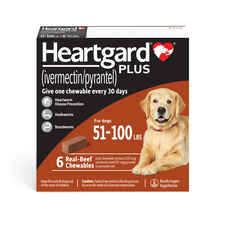
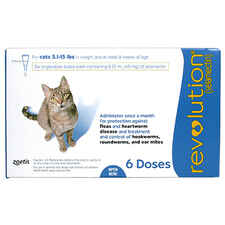
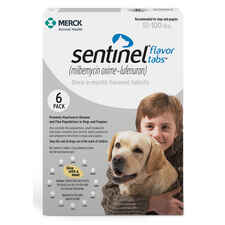
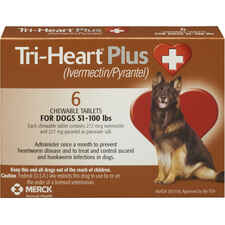
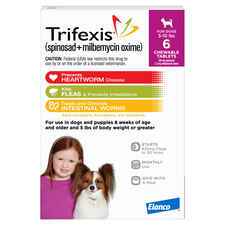
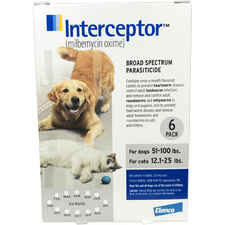
Monthly heartworm medications prevent microfilaria from growing into adult worms. Some heartworm treatments also contain additional medications to kill intestinal worms that may potentially inhabit your pet's gut. The American Heartworm Society recommends that pets remain on heartworm protection year round because when the medication isn't given consistently some pets are developing heartworm disease. The Society feels it is easier for most pet caretakers to remember to give a heartworm medicine every month than to give it a few months of the year.
 TOP
TOP


Mailing Address:
 Email Us
*If your pet is in need of urgent or emergency care, contact your pet's veterinarian immediately.









 Live Chat