1-800-PetMeds,1800PetMeds,Pet Medication
 
Welcome 
 
Sign In | Create Account | Reorder | My Account | Contact Us
  Shop All  
 
Breath Fresheners
Chews and Treats
Rinses
Toothpaste
Ear Cleansers
Ear Infection Remedies
Ear Mite Treatments
Antibiotic Anti-Infective
Eye Inflammation
Glaucoma
Tears Lubricants
Tear Stain Remover
Flea Preventatives
Home Flea Relief
Pet Flea Relief
Heartworm Preventatives
Joint Pain
Joint Supplements
Orthopedic Beds
Steps and Ramps For Mobility
Allergy
Antibiotics Anti-Infective
Antifungal Antiprotozoal
Anxiety
Cough
Diabetes
Digestive
Diuretics
Heart Blood Pressure
Hormonal Endocrine
Nausea
Seizure Disorder
Thyroid
Urinary Tract and Kidneys
Weight Loss
Wormers
Pain Medications
Canned Pet Food
Dry Pet Food
Raw Pet Food
Adult Pet Food
Allergies
Balanced Glucose/Sugar
Gastrointestinal
Grain Free
Joints/Mobility
Kitten Food
Puppy Food
Senior Pet Food
Skin Support
Small Breed Dog Food
Superior Rated Pet Foods
Weight Loss
Beds
Bowls
Carriers
Car Seat
Cat Furniture
Cat Litter
Crates & Kennels
Designer Dog Carriers
Gates
Leashes
Perfumes
Pet High Chairs
Stain Removers
Steps and Ramps
Strollers
Toys
Training Aids
Treats
Anti-bacterials
First Aid
Fly Control
Grooming Tools
Hairball Remedies
Itch Relief
Omega 3
Pet Shampoos
Ringworm
Shedding
Skin Medications
Supplements
Antioxidants
Brewers Yeast
Calcium
Dietary
Digestive Enzymes
Liver Support
Multivitamins
Omega 3
Potassium
Seniors
Whole Foods


Dental Info
 
Dental Blog Topics
PetMeds Vet Blog with Dr. Dym Dr. Michael Dym
Holistic & Conventional Veterinarian
"Over 19 years of caring for the well-being of pets"
Visit his Ask the Vet blog.


Share on Facebook Share on Twitter

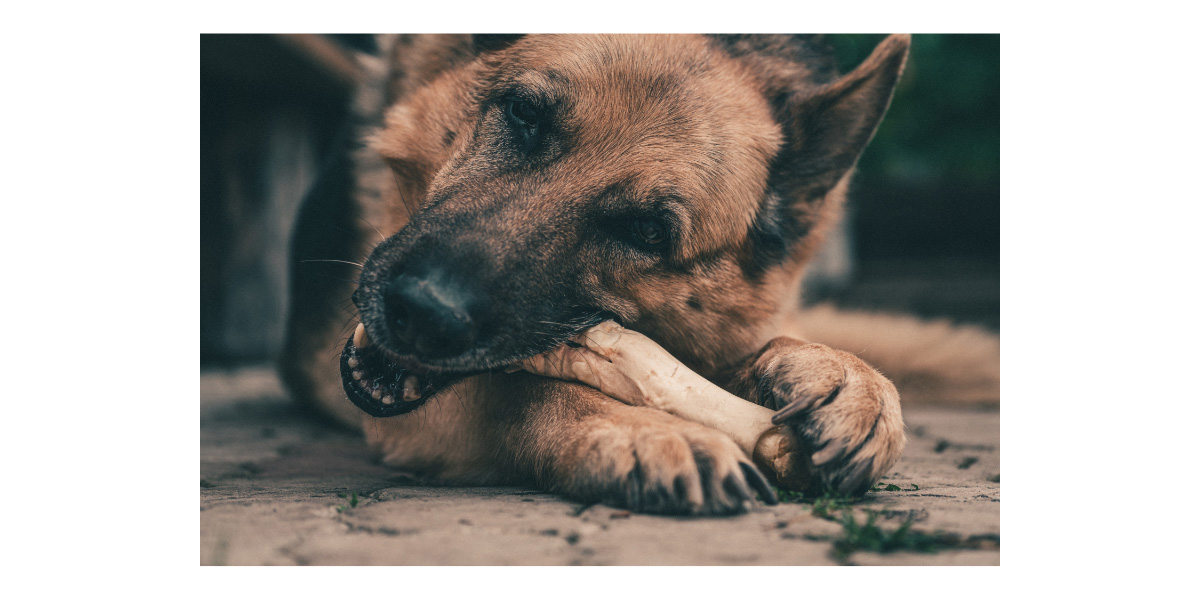
Are Bones Safe to Feed Dogs?


Feeding Bones to Your Dog


Feeding bones to dogs are controversial. Evidence suggests chewing bones is both good and bad.

  • Bones are a natural source of calcium and phosphorus.
  • Chewing stimulates the jaw and prevents boredom.
  • Bones can break teeth and cause enamel damage.
  • Cooked bones are brittle and splinter. Splinters can perforate the intestines.
  • Type of bones: Raw bones don't splinter, but may contain bacteria that cause diarrhea and illness.
  • Type of bones: Never feed raw pork, with or without bones.
  • Work with a holistic veterinarian to determine what's best for your pet.
  
Always pay close attention to your pet when chewing on a bone or a chew treat to ensure large chunks do not become ingested
  

Chicken Bones for Dogs


We all heard the saying; don't feed your dog chicken bones! But really, feeding any cooked bone is dangerous because cooked bones may splinter and damage the stomach and intestines. Raw bones do not normally splinter. Many pets enjoy chewing raw chicken or turkey necks and raw chicken wings that are free of salmonella and other bacteria. Raw beef knuckle bones are also delicious treats. Work with your holistic veterinarian to do what is best for your individual pet.

Rawhide Dog Bones

Rawhide dog bones allow dogs to chew safely indoors without dirtying the floor or furniture. Rawhide dog bones exercise the jaw, stimulate saliva flow, and help keep the mouth healthy. Because rawhide does not dissolve in the intestines, make sure your pet doesn't swallow large hunks. Remove the rawhide once it is small enough that your pet might swallow it whole.

Tips to Make Bone Chewing Safer for Your Dog

  • Allow your pet a bone for 20 minutes per day, rinse the bone, and put it in the refrigerator for the next day. Consider soaking the bone in vinegar to kill bacteria before refrigerating. Discard bones after a few days.
  • Begin offering bones to puppies. They learn to chew and not gulp. Watch adult dogs receiving bones for the first time. These pets have the biggest problem because they become overly excited, attack their bones, bite off and swallow chunks, and develop intestinal blockages.
  • Observe your pet while he or she has a bone. Remove the bone well before it is small enough to fit entirely in the mouth and get swallowed.
  • Don't get bitten while removing a bone. Have a harness and leash around your dog, ask your pet to come, offer an overwhelmingly great treat, and lead them away from the bone. For many dogs, it's safer to lead your pet away than to reach down and take a bone.

Are Mice Bones Good for Cats?

It appears so. Cats that eat mice have fewer dental problems than cats that don't eat mice. Some think mouse tails provide flossing action.


Help / Customer Service
My Account
PetMeds® Sites
PetMeds® Programs
Our 100% Guarantee
About Us
Contact Us
FAQs
PetMeds® Help
Privacy Policy
Printable Order Form
Site Map
Testimonials
Vet Directory
Request a Catalog

Home
Login
Email Preferences
Reorder
Easy refill
Track my order
My Account Page
My pet has passed away
PetMeds® Blog
PetHealth 101®
Product Reviews
Product Questions & Answers
PetMeds® Charitable Causes
1-800-PetMeds® Careers
PetMeds® Investor Relations
pet meds
Pet Meds Photos
Pet Meds News
Pet Health Articles
Affiliate Program
Corporate Program
Shelter & Rescue Program
 
Join our Social Network
 
    PetMeds® on Facebook
    PetMeds® on Twitter
    PetMeds® on YouTube
    PetMeds® Google+
    PetMeds® LinkedIn
Copyright © 2012 PetMed Express, Inc. All Rights Reserved.
   
 
Vet-VIPPSVETERINARY-VERIFIED INTERNET PHARMACY PRACTICE SITES(CM) Online Veterinary Pharmacy Services
 
1800PetMeds.com has earned Veterinary-Verified Internet Pharmacy Practice Sites(CM) (Vet-VIPPS(CM)) accreditation through the National Association of Boards of Pharmacy® (NABP®).
LegitScript approved Verisign Secured